

For Children Ages 9-16+
Smart Brain Wise Heart™: SEL Program for Ages 9–16
Students learn at their own pace while instructors reinforce key self-regulation skills in the classroom. It draws on the best of young peoples’ brains and hearts to help empower them to make smarter decisions, gain greater self-control and navigate the academic and social dimensions of life with greater success.





A New Online Social and Emotional Learning Program
Smart Brain Wise Heart™ is both an online and classroom facilitated social and emotional learning program. Students learn at their own pace while instructors reinforce key self-regulation skills in the classroom. It draws on the best of young peoples’ brains and hearts to help empower them to make smarter decisions, gain greater self-control and navigate the academic and social dimensions of life with greater success.
Why SBWH Works!
At the heart of SBWH are short and engaging whiteboard animation videos that present key ideas and practices in important social and emotional learning competencies. With abundant support from a variety of enrichment activities, instructors will be able to choose the type of course lessons that best address the diverse needs of the students they serve.
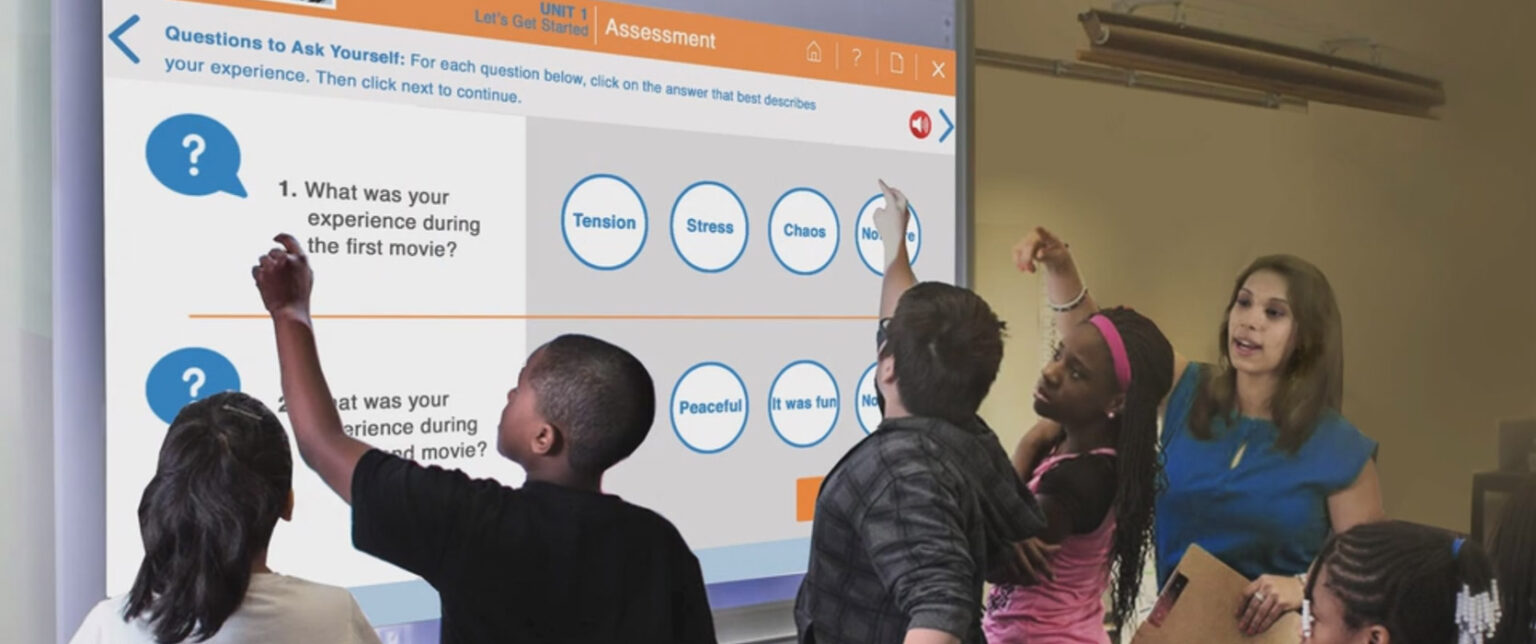
Enthusiastic Teachers
“As a 30-year veteran employee in a large school district, I believe Smart Brain Wise Heart is one of the best classroom offerings I have ever given. My upper elementary and middle school students are loving this program. They are engaged and enthusiastic about what they are learning.”
– Maria I. Arisso, school social worker, Miami Dade Public Schools
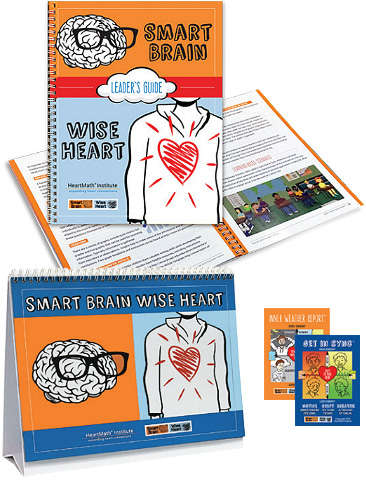
A Blended Learning Experience
SBWH is a blended learning program for students, ages 9-16, that combines a printed Leader’s Kit for teacher-led instruction along with a fully developed online learning program. Different strands of instruction deepen the learning experience, including review and discussion, activity worksheets, illustrated articles, practice opportunities, project-based action assignments, learning-based scenario videos and assessments. With the online 24-question pre- and post-Student Opinion Survey to gauge student progress, educators can statistically evaluate the program’s effectiveness.
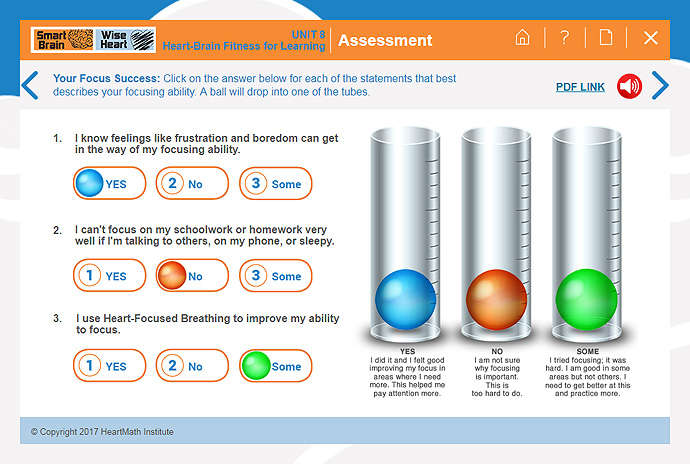
Program Features
Evidence-based
- Free online home access for students.
- Usable on smartboard classroom computers, laptop or desktop computers and tablets.
- 8 units of instruction.
- 7 whiteboard animation videos, 7 learning-basedscenario videos, student introductory video and a teacher instruction video.
- 47 printable PDFs along with parallel online activities.
- Pre- and post-survey: 24 questions.
- 12 video-enhanced breathing pacers.
8 Instructional Units
Unit 1: Taxi Movie
Unit 2: In Sync/Out of Sync
Unit 3: Inner Weather Report®
Unit 4: Two Tools to Help Get You in Sync
Unit 5: Prep/Reset
Unit 6: People Relationships
Unit 7: Decision-Making
Unit 8: Heart-Brain Fitness for Learning
Program Structure – How it Works
There are eight units in the Smart Brain Wise Heart program, each containing a video. Each unit begins with a brief overview of the video, followed, in most cases, by short definitions of unfamiliar vocabulary and then the video presentation.
The Smart Brain Wise Heart learning process has four main parts:
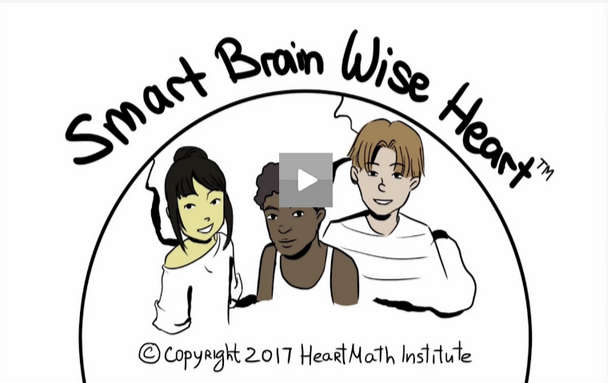
Video Introduction and Presentation
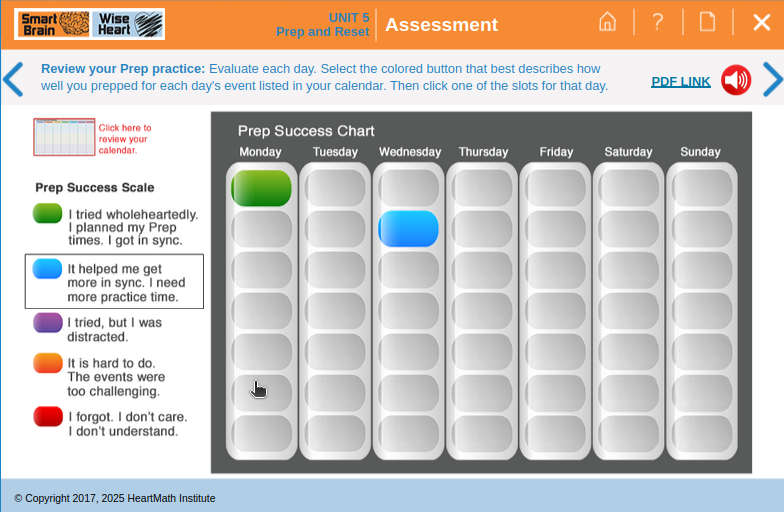
Review, Discuss and Practice
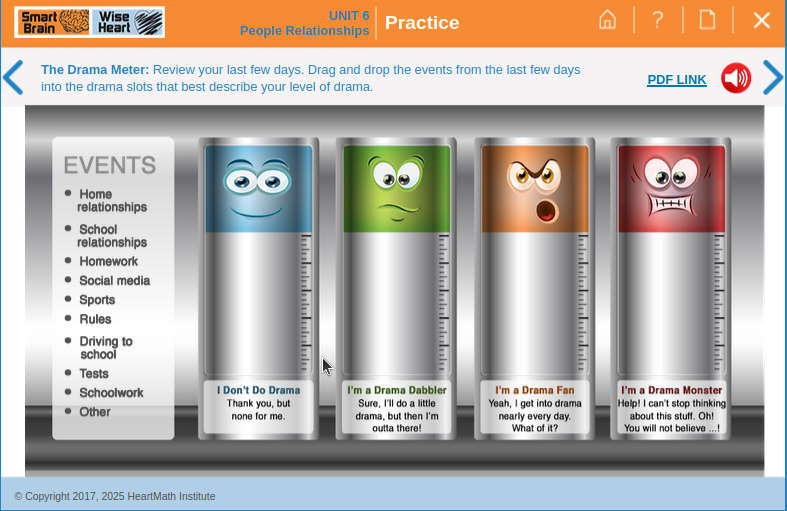
Action Assignments
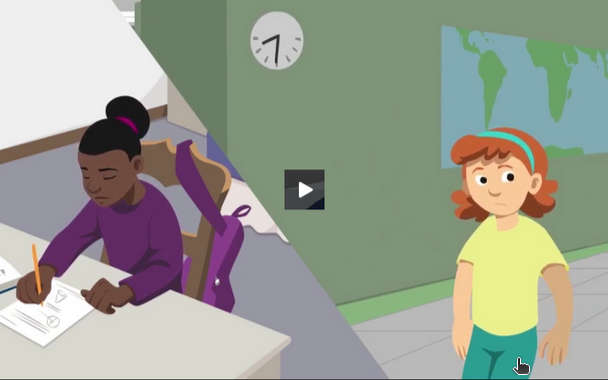
Learning-Based Scenarios: Assessing Student Learning
Pricing
Single User
0 Educator and 1 Student
Classroom
1 Educator and 30 Students
Multi-Class
3 Educators and 90 Students
Site
8 Educators and 240 Students
District
32 Educators and 960 Students
For questions, please contact HeartMath Institute by e-mail at [email protected] Or, Contact Jeff Goelitz at (831) 338-8713
Other HeartMath Products for Kiddos
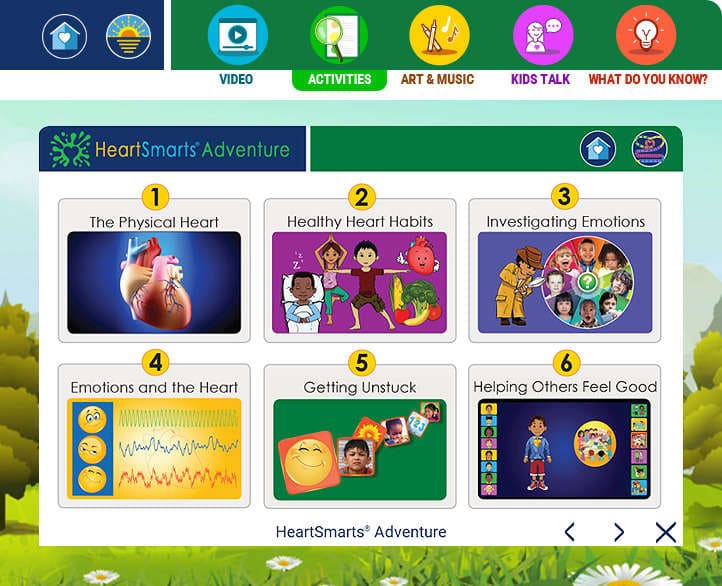
Ages 4-7+
HeartSmarts Adventure™

Ages 3-6+
The Sunshine Secret®
Ages 3-6+
WiseHeart™
Ages 4-18
Self-Regulation Technology
FAQs
Which grade levels is Smart Brain Wise Heart intended for?
Smart Brain Wise Heart is designed for students ages 9 to 16, which in the United States roughly spans grades 4 through 10. HeartMath Institute describes it as addressing the challenges of middle school and lower high school, and a published pilot evaluation used it with ninth-grade students. School staff also report success with upper elementary and middle school students. Placement can vary by grade.
How long does each Smart Brain Wise Heart learning unit or session take?
Smart Brain Wise Heart does not set a fixed time per unit. Each of its eight units follows four parts: a video introduction and presentation; review, discussion and practice; action assignments; and learning-based scenarios that assess learning. The videos are short, so educators can fit a unit into one class period or spread it over several, depending on how many of the 47 activities they use.
What does the 24-question Student Opinion Survey measure?
The 24-question Student Opinion Survey is an online pre- and post-survey that measures how students view the skills taught in Smart Brain Wise Heart. Students complete it before and after the program so educators can compare results. It’s best read as a gauge of progress in the program’s focus areas, such as self-regulation, relationships and decision-making.
How should educators interpret Smart Brain Wise Heart pre- and post-survey results?
Compare each student’s or class’s pre- and post-survey results to see changes in self-reported skills. HeartMath Institute notes that the survey lets educators statistically evaluate the program. Changes are most meaningful when many students complete both surveys, and they should be read alongside other information such as behavior, attendance and teacher observation. Survey results reflect students’ self-perceptions and are not a clinical measure. To score the 24-question Student Opinion Survey (SOS) results, follow the standard guidelines outlined in the program’s survey scoring manual.
What technology and browser requirements are needed for Smart Brain Wise Heart?
Smart Brain Wise Heart runs online through the HeartMath Institute eLearning Center. It works on smartboard classroom computers, laptops, desktops and tablets, and students get free online home access. Classroom use needs internet access and a browser. Educators set up access with the License ID they receive after purchase.
What research supports Smart Brain Wise Heart and what outcomes have been evaluated?
The main program-specific evidence is a 2023 experimental pilot evaluation with ninth-grade students during the 2021–2022 school year, published in the Journal of Child and Adolescent Mental Health. There were no overall effects, which the authors linked to COVID-19 implementation challenges. Lower-achieving students in the program, however, showed significantly higher resilience and self-compassion and fewer depressive symptoms. A new research study funded by the CDC in cooperation with University of Chicago NORC will be launched in Fall 2027 with approximately 2000 middle school students focusing on violence and suicide ideation reduction.
How is Smart Brain Wise Heart implemented between classroom and home use?
In the classroom, educators use the printed Leader’s Kit to lead review, discussion, practice and action assignments. Online, students work through videos and activities at their own pace, including at home through free online home access. A common pattern is to introduce a unit in class, let students complete the online parts at school or home, and then reinforce the self-regulation skills together in class.