Institute of HeartMath - Empowering Heart-Based Living


Links to the Universe of HeartMath


You need Flash Player 8 and Javascript enabled to view this content. Get Flash

HOME  |  STORE  |  SITE MAP
Print This Page

WELCOME GUEST

Log-on Here
Sign-up Free
Sign-up Free

STRESS & WELL BEING SURVEY


Take the free survey and see your stress and well being scores instantly

Start Intro

PERSONAL TRACKERS

Sign-up Intro

COMMUNITY TRACKER

Physical
Vitality
Overall
Well-Being
Emotional
Vitality
Social
Connectedness
Spiritual
Connectedness
Please spread the word. Thank you!

KEY LINKS


  • Overview
  • Publications
  • Science of the Heart
  • Featured Research
  • FAQs
  • Scientific e-Books

Areas of HM Research  |  Intuition  |  Global Coherence

The Institute of HeartMath Research Center is a recognized global leader in emotional physiology and stress-management research. HeartMath is engaged in basic psychophysiology, neurocardiology and biophysics research, as well as clinical, workplace and organizational intervention and treatment outcome studies in collaboration with numerous universities, research centers and healthcare-system partners. This research has significantly advanced the understanding of heart-brain interactions, heart-rhythm-pattern and heart-rate-variability analyses, emotional physiology and the physiology of optimal learning and performance.

HeartMath’s research forms the foundation for the development of practical, scientifically validated emotional refocusing and repatterning technologies that enable people to significantly improve their health and vitality, performance and quality of life.

Expanding areas of interest include furthering scientific understanding of the human biofield, global coherence, intuition and the emotional energetic system. There are numerous studies in progress, a sampling of which is available in the Featured Research section. The Research Center’s latest project is the development of the Global Coherence Monitoring System (GCMS), a major undertaking that is an important part of IHM’s Global Coherence Initiative.

The Research Center has teamed with internationally renowned astrophysicist and nuclear scientist Elizabeth Rauscher to design and build the GCMS to measure and explore fluctuations in the magnetic fields generated by the earth and ionosphere. Previous research has shown that specific measures of the earth’s field can signal pending earthquakes, volcanic eruptions and other major planetary events long before they occur. Among the project’s goals are determining how the earth’s field influences human activity and conversely if collective human emotionality modulates the earth’s fields

The IHM Research Center is committed to increasing the world’s body of scientific knowledge and promoting heart--based living and global coherence – the mental, physical, emotional and spiritual well-being of the greater community of human beings.


"Somewhere, something incredible is waiting to be known."

—Dr. Carl Sagan, Astronomer, Writer, Scientist, 1934-1996


The following is a small sampling of the continuing impact of HeartMath research and development:


  • Students in more than 1,000 schools around the world have benefited from IHM research by using HeartMath learning programs to increase their confidence at school, raise test scores and overall academic performance and even improve their relationships and social lives among peers, friends and family. With HeartMath’s help a great many educators are again finding their profession rewarding as they watch students show more interest in school and improved academic performance and behavior.
  • Some of the world’s most well-known corporations – Hewlett-Packard, Cisco Systems, BP and Unilever among them – have enlisted the aid of HeartMath to help them achieve increased organizational coherence and workforce satisfaction.
  • U.S. governmental entities such as NASA, the four branches of the military and the Veterans Administration have used or continue to rely on HeartMath programs to reduce anxiety and stress levels and boost energy among their employees.
  • Personnel with many large and small medical and healthcare operations – Kaiser Permanente, Veterans Administration, Duke, the University of North Carolina and others have expressed high praise for the impact of HeartMath programs, tools, techniques and technology to support and bring about measurable improvement in patients, but also to lower the stress levels and improve the overall health of their staffs, raise employee satisfaction levels and even reduce employee turnover.

See the Science of the Heart section for brief summaries of basic, clinical and organizational educational research studies.


Areas of HeartMath Research/Studies

Emotional Physiology:

A key area of focus at the HeartMath Research Center is exploring our emotions and how they affect our physiology, with an emphasis on the physiological effects of positive emotions, especially intentionally experienced positive emotions. Studies already have revealed there are pronounced beneficial changes in the patterns of activity in the autonomic nervous, immune and hormonal systems and the brain and heart when we experience emotions such as appreciation, love, care and compassion. There are indications these physiological changes may help explain the connection between positive emotions, improved health and increased longevity. IHM researchers have shown that the heart plays an important role in the generation and perception of emotion. For related Research Publications, go to Basic Research.


Heart–Brain Interactions:

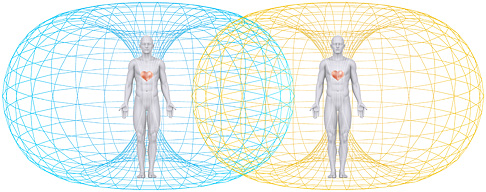
The heart and brain maintain a continuous two-way dialogue, each influencing the other’s functioning. Although it is not well known, the heart sends far more information to brain than the brain sends to the heart and the signals the heart sends to the brain can influence perception, emotional processing and higher cognitive functions. This system and circuitry is viewed by neurocardiology researchers as a "heart brain." The heart also generates the strongest rhythmic electromagnetic field in the body and this actually can be measured in the brain waves of people around us. For related Research Publications, go to Basic Research.


Development and Testing of Positive Emotion-Focused Tools, Techniques, Technology and Programs:

Our research into emotional physiology, heart-brain interactions and much more has guided the development of practical, heart-based tools, techniques and technologies that enable people to sustain positive emotions and physiological coherence with greater consistency. They have been tested for effectiveness in laboratory studies as well as intervention studies conducted in educational, organizational and clinical settings. For related Research Publications, go to Basic Research.


Educational Intervention Studies:

HeartMath’s educational intervention studies examine the effects of HeartMath programs in educational settings. HeartMath tools, techniques, technology and learning programs levels have reduced general psychological distress, test anxiety and risky behaviors and improved test scores, classroom behavior, stress resiliency, learning and overall academic performance at the elementary, middle school, high school and college levels. Studies have been conducted and are under way to further investigate the impact of HeartMath programs in those settings and for special-needs children, including those with attention-deficit hyperactivity disorder (ADHD). For related Research Publications, go to Educational Research.


Workplace Intervention Studies:

Intervention studies investigating the impact of HeartMath programs in the workplace have documented a wide range of organizationally relevant outcomes, including increases in productivity, goal clarity, job satisfaction, communication effectiveness, improvement in employee health and reductions in turnover. Studies also have examined the programs’ effect in helping organizations meet the demands of challenges such as downsizing and restructuring. For related Research Publications, go to Organizational Research.


Treatment Outcome studies in Clinical Populations:

Treatment outcome studies assess how HeartMath’s positive emotion-focused tools and techniques help people with various health problems and they have demonstrated significant improvements in health, psychological well-being and quality of life in people with hypertension, diabetes, congestive heart failure, AIDS and more. Substantial improvements also have been noted in case history data from patients and healthcare professionals who’ve utilized HeartMath interventions for chronic conditions such as cardiac arrhythmia, chronic fatigue, anxiety, depression, panic disorder, post-traumatic stress disorder, environmental sensitivity, chronic pain and fibromyalgia. For related Research Publications, go to Clinical and Health Research.


Heart-Rate Variability and Autonomic Function:

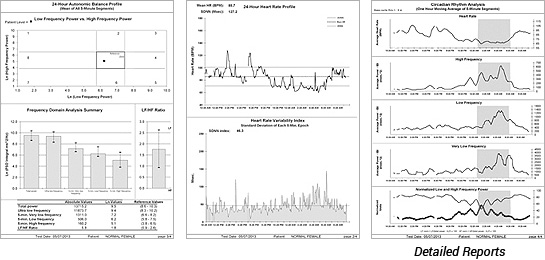
IHM conducts ongoing research into heart-rate variability (HRV), a measure of the naturally occurring beat-to-beat changes in heart rate. HRV analysis is a powerful, noninvasive measure of autonomic nervous-system function and an indicator of neurocardiac fitness. The HeartMath Research Center maintains an extensive HRV normals database, which provides data on the HRV of healthy individuals. HeartMath has published research demonstrating how HRV varies with age and gender and on the use of HRV analyses to assess alterations in autonomic function in conditions such as panic disorder and chronic fatigue. IHM provides HRV analysis services for studies conducted by other institutions. For related Research Publications, go to Clinical and Health Research.


Emotional Energetics Research:

The heart produces by far the body’s most powerful rhythmic electromagnetic field, which can be detected several feet away by sensitive instruments. In addition to the physical, neurological and hormonal production aspects of the heart, our research also has led us to consider the heart as an energetic system. For example, we have found that the heart’s field is a carrier of emotional information and a mediator of bioelectromagnetic communication, within and outside the body.

Research shows our heart’s field changes distinctly as we experience different emotions. It is registered in people’s brains around us and apparently is capable of affecting cells, water and DNA studied in vitro.

The implications are: People may be able to affect their environment in ways not previously understood and such "energetic" interactions may be prominently influenced by our emotions. Growing evidence also suggests energetic interactions involving the heart may underlie intuition and important aspects of human consciousness. For related Research Publications, go to Energetics Research.


Intuition Research:

There is evidence that people around the world have believed in the existence and power of intuition dating back through antiquity and one can imagine that the earliest humans depended on it greatly for survival. Intuition has been pondered by great thinkers, scientists and philosophers – Aristotle, Kant, Einstein among them – relied upon by leaders of nations and, as a great number of the world’s people today will attest, is applied daily in a multitude of life’s decisions.

The Institute of HeartMath’s expanding interest in intuition has evolved naturally because of what is now believed to be an intimate relationship between the heart and the intuitive process – the perception or knowing things without conscious reasoning such as an event or act of nature that has yet to happen. As IHM researchers have conducted investigations over the years into stress and emotional management, heart intelligence, the heart-brain connection, heart-rhythm patterns and other areas, they have learned much about this process.

IHM researchers and others who explored intuition for more than a half century have expanded its definition to include not only conscious perception by the mind alone, but also by the body’s entire psychophysiological system. This perception often is evidenced by a range of emotions and measurable physiological changes exhibited or detected in the heart and throughout the body, according to the two-part HeartMath study on the Electrophysiological Evidence of Intuition listed below. The conclusions drawn from this study include the following: "Overall, our data suggest that the heart and brain, together, are involved in receiving, processing, and decoding intuitive information. … (and) there is compelling evidence that the heart appears to receive intuitive information before the brain."


"The only real valuable thing is intuition."

—Albert Einstein, 1879-1955


Though modern scientific investigation of intuition dates back to the early part of the 20th century, research has steadily increased in recent decades. HeartMath, already internationally recognized for groundbreaking research related to stress, emotions and the heart, is committed to furthering scientific knowledge and understanding about the intuitive process. HeartMath tools, techniques and technology have been developed to enhance intuitive ability by helping you achieve heart coherence, a state in which the heart and brain and other bodily systems are in sync. In addition to the study mentioned above, HeartMath has been involved in a number of other intuition-related studies and papers, including the following:


  • Electrophysiological Evidence of Intuition: Part 1.
    The Surprising Role of the Heart

    R. McCraty, M. Atkinson, R. T. Bradley, Institute for Whole Social Science, Institute of HeartMath, e-Motion Institute

    This study aims to contribute to a scientific understanding of intuition, a process by which information normally outside the range of conscious awareness is perceived by the psychophysiological systems. The first objective, presented in two empirical papers (Part 1 and Part 2), was to replicate and extend the results of previous experiments demonstrating that the body can respond to an emotionally arousing stimulus seconds before it is actually experienced.

    Electrophysiological Evidence of Intuition: Part 1   Click here for a PDF version of the paper.

  • Electrophysiological Evidence of Intuition: Part 2.
    A System-Wide Process?

    R. McCraty, M. Atkinson, R. T. Bradley, Institute for Whole Social Science, Institute of HeartMath, e-Motion Institute

    As with the first part of this study, researchers wanted to add to the scientific understanding of intuition. The objective in this part of the study was to develop a theory explaining how the body receives and processes information involved in intuitive perception.

    Electrophysiological Evidence of Intuition: Part 2   Click here for a PDF version of the paper.

  • The Psychophysiology of Entrepreneurial Intuition:
    A Quantum-Holographic Theory

    R. T. Bradley, Institute for Whole Social Science, Institute of HeartMath, e-Motion Institute. Paper presented at the Third AGSE International Entrepreneurship Research Exchange, Feb. 8-10, 2006, Auckland, New Zealand

    Successful entrepreneurs are passionate innovative risk-takers whose actions are informed by accurate intuitions about future business opportunities. Drawing on recent research that intuitive perception of a future event is related to the degree of emotional significance of that event, a study showing both the brain and heart are involved in processing a pre-stiumulus emotional response to the future event, and on the principles of quantum holography, a theory of intuitive perception.

    The Psychophysiology of Entrepreneurial Intuition   Click here for a PDF version of the paper.


For related Research Publications, go to Intuition Research.


Global Coherence Research:

There is a growing sense around the world that we live in times of great change and upheaval, relative not only to the physical integrity of our planet and atmosphere – because our stewardship of the space we inhabit has reached a point of "incoherence" – but also to human beings, who increasingly are rejecting an existence whose credo is "get ahead at any cost" – the price of which is a uniquely modern malaise of pandemic stress and fear, global strife and planetary decay, and personal and collective sadness.

Our interaction with the planet, its systems and creatures, between and among nations, societies and individuals, and even within ourselves, is out of sync so frequently today, it is difficult for many people to even achieve personal coherence – that state in which the heart, mind, emotions and other systems of the body function in a kind of a concert of synchronization with one another, affording clarity of thought and action, calmness, relationships built and nurtured on motives of care purity, and greater health, well-being and purpose.

The Institute of HeartMath and its research team, already in the forefront of stress- and emotional-management research, are on a quest to foster global coherence by going beyond what we already know about heart-brain interaction, heart intelligence and heart coherence. We want to be a leader in service to humankind as the paradigm shift of our time unfolds and people in every nation begin reconnecting with their hearts, turning away from stressful and self-centered living and turning toward heart-based living and global coherence.

Our research has shown stress not only causes personal incoherence, but also affects those around us, as you may have experienced when a sad, angry or fearful person walked into a room of people and his or her emotions seemed to radiate out to those present, unwittingly creating an atmosphere of incoherence. Some may describe this as coincidence or a phenomenon, but increasing scientific evidence suggests it is a very real and normal function of our psychophysiological makeup is mediated by the energetic activity and information that is constantly exchanged between and among people and their environment, especially in close proximity, but also the larger energetic environment of the planet.

We at HeartMath believe this energetic interconnectedness, which exists not only among people, but animals and plant systems as well, may well represent a path toward global coherence. As individuals practice the principles of heart-centered, heart-based living by whatever means and methods they choose, they in turn will energetically affect those nearest them, and ultimately the collective body of heart-focused people will be able to affect the world community on a grand scale.

The stress-reduction and coherence-building tools developed by IHM through the application of scientific testing and validation are designed to help the individual achieve personal coherence, but as more individuals learn to shift to their hearts and sustain coherence, we believe this will have a positive, cascading effect on not only our indeterminate circle of relationships but the global energetic environment as well.

For these and other reasons IHM researchers have teamed with internationally renowned astrophysicist and nuclear scientist Elizabeth Rauscher to design, build and implement the Global Coherence Monitoring System (GCMS), to measure and explore fluctuations in the magnetic fields generated by the earth and ionosphere.

Among the project’s goals are determining if the earth’s field influences human brain and heart activity and whether collective human emotions modulate the earth’s magnetic fields. Previous research has shown changes in the earth’s magnetic field precede and therefore can be used to predict earthquakes, volcanic eruptions and other planetary events.

HeartMath and Rauscher will design, build and maintain the GCMS to track the earth’s field, which HeartMath postulates should be much more sensitive to the effects of emotion-based collective human interactions than other types of detectors.

For much of human history the existence of interconnectedness among all things has been a matter of speculation or belief based on faith. Now the Institute of HeartMath envisions the GCMS, like the longstanding and independent Global Consciousness Project, along with other IHM research, will further scientific evidence of the following: We are much more interconnected with each other and our larger planetary environment at the energetic level; what we do as individuals counts; and as we learn to take energetic self-responsibility, a force is generated that makes the world a more coherent and better place. Go to The Global Coherence Initiative.

To learn more about the Institute of HeartMath’s commitment to global coherence and the Global Coherence Monitoring System, click on the following links to HeartMath newsletter articles.


  • Global Coherence – One Person at a Time
  • Global Coherence Monitoring System
 
Print This Page  Print this page

IHM is dedicated to conducting research and providing programs for schools and families to facilitate heart-based living.

about us | products | education | research | news | membership |  contact us | register |  recommend us | privacy policy | copyrights  2010, Institute of HeartMath
IHM is dedicated to conducting research and providing programs for schools and families to facilitate heart-based living.

Institute of HeartMath® 14700 West Park Ave. Boulder Creek, CA
Phone (831) 338-8500 | Fax: (831) 338-8500 | e-Mail: info@heartmath.org