


Global Coherence InitiativeGCI Boards
Steering Committee, Advisory Board and Scientific Advisory Board
The Global Coherence Initiative is an international effort that seeks to help activate the heart of humanity and promote peace, harmony and a shift in global consciousness. GCI conducts groundbreaking research on the interconnection between humanity and Earth’s magnetic fields and energetic systems.
Global Coherence Initiative Steering Committee
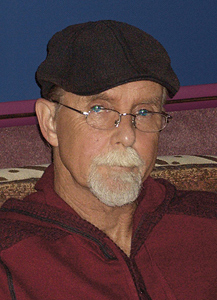
Doc Childre
Chairman
Doc Childre of Boulder Creek, California, the GCI Steering Committee chairman and founder of the HeartMath Institute, a nonprofit research and education organization. He is the originator of the HeartMath System® of practical, heart-based tools and technologies designed to help people of all ages and walks of life to reduce stress, improve performance and enhance health and well-being. Childre is a global authority on optimizing human performance and personal effectiveness. He is chairman of the HMI Scientific Advisory Board and HeartMath LLC, chairman and co-CEO of Quantum Intech Inc., and a consultant to business leaders, scientists, educators and the entertainment industry through his firm, Top-Down Consulting. He has written or co-written a dozen books, including The HeartMath Solution, From Chaos to Coherence and Transforming Stress. Childre created the award-winning emWave2® heart-rhythm-coherence technology, used by thousands of people around the world.
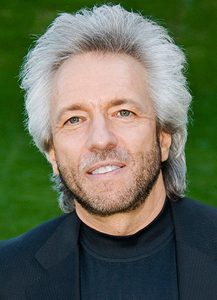
Gregg Braden
Gregg Braden of Northern New Mexico, is a New York Times bestselling author who is recognized internationally for his efforts to bridge science and spirituality; he combines them with the beliefs and wisdom of the past, which he has searched out for more than 20 years in remote regions, to offer solutions for today's world. Braden's many books, which have been translated into 17 languages, include The Isaiah Effect, The God Code and The Divine Matrix: Bridging Time, Space. He had a successful career as a computer geologist for Phillips Petroleum, then became a senior computer systems designer for Martin Marietta Defense Systems, and in 1991 Cisco Systems' first technical operations manager. There he led the development of the global support team whose groundbreaking work is still used on today's Internet.
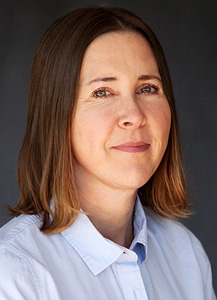
Jeddah Mali
Jeddah Mali is the Executive Director and founder of Intelligent Life Ltd, which is a Be-Think-Do platform which specialises in the concept, practice and application of Natural Intelligence. Intelligent Life has developed unique mapping technology to measure individual and group development. Their learning programmes implement a universally beneficial model, to stimulate change which can scale across societal and global levels. Jeddah mentors and consults for CEOs, international initiatives and organizations, as well as advising and guiding global thought leaders and change makers. Her clients are drawn from over 60 countries around the world. Jeddah sits on the Steering Committee of HMI’s science-based Global Coherence Initiative, pursuing international cooperation and enduring peace.
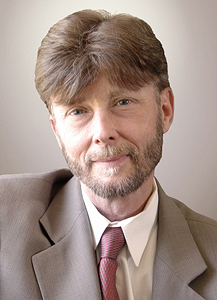
Howard Martin
Howard Martin of Boulder Creek, California, is the executive vice president for strategic development at HeartMath LLC and a key spokesperson for HeartMath worldwide, conducting interviews with major television programs and news publications. Martin co-authored The HeartMath Solution with HeartMath founder Doc Childre. He has been instrumental in business development and delivering HeartMath programs around the world. Martin has conducted training programs and keynote presentations in Fortune 100 companies, government agencies, the U.S. military, school systems, ecumenical organizations and through publicly promoted events in over 50 cities on four continents. He created The HeartMath Method audio learning program and produced two award-winning musical recordings. Before HeartMath, he was a successful musician, account executive with E.F. Hutton and vice president of Capital Funding.
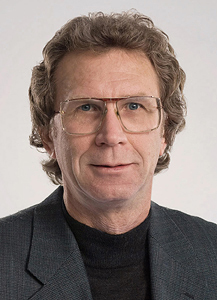
Rollin McCraty, Ph.D.
Rollin McCraty, Ph.D. of Boulder Creek, California, is one of the primary creators of the Global Coherence Initiative (GCI) and director of research for GCI and HeartMath Institute. He is project coordinator and the principle designer of GCI’s scientific component, the Global Coherence Monitoring System and its international network of magnetic field sensor sites. A professor at Florida Atlantic University, McCraty heads up HMI and GCI researchers investigating the relationship between human and geomagnetic field environments and the interconnectedness of and communication among all living things. They are studying how these fields act as central synchronizing signals within the body, carry emotional information and serve as key mediators of energetic interactions between people and living systems. McCraty holds numerous memberships, including with the American Autonomic Society, Pavlovian Society, National Association for Psychological Science, Association for Applied Psychophysiology and Biofeedback and Society for Scientific Exploration. He has written scientific articles for many professional journals, given interviews for feature articles and television segments and appeared in numerous documentary films.
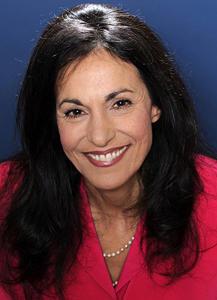
Deborah Rozman, Ph.D.
Deborah Rozman of Boulder Creek, California, is a psychologist with over 30 years of experience as a business executive, educator, author and researcher in the psychology of consciousness. Rozman has written eight books, including the award-winning Meditating With Children and co-authoring with Doc Childre the Transforming Series – Transforming Anger, Transforming Stress,Transforming Anxiety and most recently Transforming Depression. Rozman is president and co-CEO of Quantum Intech Inc., the HeartMath technology company that developed and manufactures the emWave Personal Stress Reliever® and emWave® PC/Mac Stress Relief System heart-rhythm coherence feedback technology. She serves on the HeartMath Institute's Scientific Advisory Board and Physics of Humanity Council and is a key spokesperson for the HeartMath System, giving interviews and keynote addresses around the world.
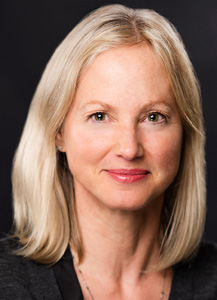
Claudia Welss
Claudia Welss is Chairman of the Board of Directors at the Institute of Noetic Sciences (IONS) and founding Chair of Invest in Yourself at NEXUS Global Youth Summit and Network, bridging practical consciousness research and social innovation. As a citizen scientist, entrepreneur, philanthropist and impact investor, she advises and funds projects with the potential to accelerate large-scale change like the Global Coherence Initiative. Her mission of increasing coherence across domains ranges from scaling grassroots subtle activism to investing in quantum energy healing technologies. Previously, Claudia experimented with the concept of collaboration labs by founding NextNow Collaboratory, once described by the director of MIT’s Center for Collective Intelligence as a "new kind of collective intelligence." For 7 years, she was director of the University of California, Berkeley Haas School’s executive education center, developing strategic learning programs for corporations while pioneering social responsibility and sustainability curriculum.
Global Coherence Initiative Advisory Board
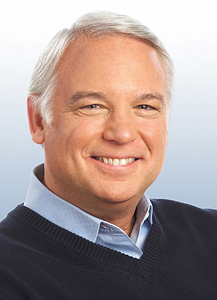
Jack Canfield
Jack Canfield of Santa Barbara, California, is the originator of the Chicken Soup for the Soul® series, the immensely popular inspirational anthologies that became a billion-dollar international market, generating sales of over 100 million books. A leading authority on success and successful people, Canfield, a Harvard graduate and internationally syndicated columnist, has shared his insights with millions. He's in the Guinness Book for most books – seven – on the New York Times bestseller list simultaneously. Canfield is a founding member of the Transformational Leadership Council, a group of thought leaders, speakers, authors, coaches, trainers, researchers, consultants, and others who are leaders in the fields of personal and professional development. Canfield has been featured on more than 1,000 radio and television programs worldwide.
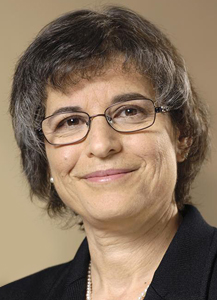
Jill S. Dodd
Jill S. Dodd of San Francisco, California, is a partner with San Francisco law firm Manatt, Phelps & Phillips, focusing on charitable organizations, trusts, estates and wealth transfer planning and especially planned charitable giving. Ms. Dodd acts as outside general counsel to charitable organizations of all sizes and has successfully represented them before the California Attorney General's Office and the IRS. She counsels very high-net-worth individuals in all aspects of gift, estate and philanthropic planning. Among other professional affiliations, Ms. Dodd is board president of the Northern California Planned Giving Council and is a member of the San Francisco Estate Planning Council. In 2007 and 2008, she was named a Super Lawyer for Northern California and has been listed among The Best Lawyers in America since 2005.
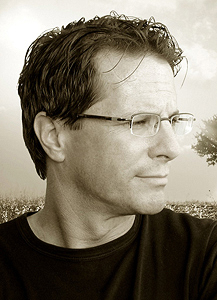
Mark Hempel
Mark Hempel of Minneapolis, Minnesota, is the designer of many innovative products, including the education industry's first electronic textbook, which he created for McGraw-Hill. He also designed the bestselling educational software The Oregon Trail; the first medical website – for the Mayo Clinic; and the Web's first audio browser, NetRadio. Hempel is a recognized expert in information architecture and visual design. He has worked with companies that include Microsoft, Apple, American Express and AT&T. Today Hempel is a consultant for companies focusing on next-generation web platforms, developing applications to extend website functionality to include tracking programs, survey-recommendation engines and innovative Web 2.0 community functions.
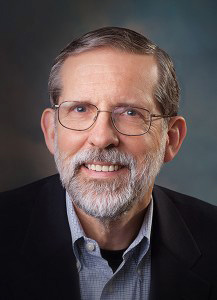
Larry Kuechler
Larry Kuechler of San Jose, California, is director of the Real Estate Services Group for Berger/Lewis Accountancy Corporation, where he has been a principal for 27 years. He advises companies and individuals in business, tax and estate planning. Among his clients are for-profit and nonprofit developers, tax credit partnerships and apartment and commercial property owners. Mr. Kuechler devotes considerable time to business succession, estate planning and charitable planning. Professional affiliations include North American chairman of AGN International, Estate Planning Council of Santa Clara County, San Jose State University Tax Advisory Board, American Institute of Certified Public Accountants and the California Society of Certified Public Accountants, among others. Mr. Kuechler also is involved in the Legal Aid Society of Santa Clara County and the Children's Discovery Museum.
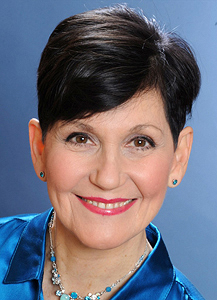
Lynne McTaggart
Lynne McTaggart of Wimbledon, England, is an award-winning journalist and author of the international bestsellers Living The Field and The Intention Experiment, a series of scientifically controlled, web-based experiments testing the power of intention to change the physical world. McTaggart is an authority on the science of spirituality and gives conferences and workshops on spirituality and health, including the Intention Workshops, which she says teach "the real truth of intention and how to harness its enormous power to heal your life – and to heal the world." She and husband/publisher Bryan Hubbard, also a journalist, are directors of What Doctors Don't Tell You Ltd, which publishes the internationally acclaimed What Doctors Don't Tell You newsletter, that gives scientific critiques of mainstream medicine and reviews health problems, providing what they call "safer, proven ways of treating them".
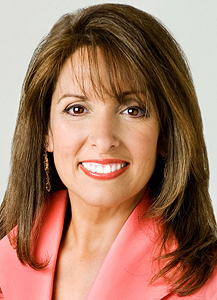
Marci Shimoff
Marci Shimoff of San Rafael, California, wrote the New York Times bestseller Happy for No Reason, a new approach to enduring happiness. Shimoff also wrote Chicken Soup for the Woman's Soul, Chicken Soup for the Mother's Soul and four other titles in the internationally acclaimed Chicken Soup for the Soul series. She is a featured teacher in the film/book phenomenon, The Secret, and is a recognized transformational leader and expert on happiness, success and the law of attraction. She is a founding member of the Transformational Leadership Council and president and co-founder of the Esteem Group. A popular keynote speaker, Shimoff gives seminars on self-esteem, self-empowerment and peak performance, and is a top-rated trainer for numerous Fortune 500 firms. She has appeared on more than 500 TV and radio shows and been interviewed for over 100 articles.
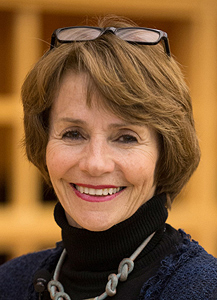
Lynne Twist
Lynne Twist of San Francisco, California, is a global activist, fundraiser, speaker, consultant and the bestselling and award-winning author of The Soul of Money. She founded the nonprofit Soul of Money Institute to help people transform their relationship with money and ultimately themselves and the world. She has devoted her life to improving the world, raising hundreds of millions of dollars for protecting rainforests by empowering indigenous peoples through the Pachamama Alliance, and improving women's and children's lives. Twist was on the original staff of the Hunger Project, which she helped lead for 20 years. A member of the National Society of Fundraising Executives, Twist helped train thousands of people become more effective fundraisers. Among the many organizations she holds memberships with are the Institute of Noetic Sciences, Transformational Leadership Council and Global Youth Action Network.
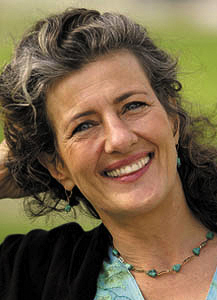
Nina Rothschild Utne
Nina Rothschild Utne of Minneapolis, Minnesota, is the former CEO and current editor at large of Utne Reader magazine, which she recently sold to Ogden Publications. Rothschild Utne is launching a new company called FutureFit, which, like the title of a keynote speech she gave recently, focuses on "managing our lives toward sustainability with flow and efficiency." FutureFit addresses energy inefficiencies on all levels: personal fears and anxieties, dysfunctional interpersonal relationships; how we view waste; our approach to design challenges; policies and laws; and learning to harmonize with the universe. Rothschild speaks widely, including about motherhood as a training ground for business; the media's power to transform culture; spirituality and business. She is a founding member of the Headwaters Fund, City of Lakes Waldorf School, UnReasonable Women for the Earth and Code Pink.
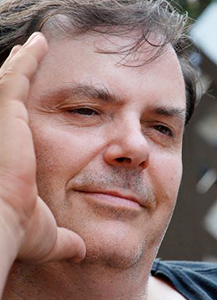
David Whalen
David Whalen of Edmonton, Alberta, Canada, a licensed HeartMath 1:1 Provider, has a doctorate in metaphysical sciences. Whalen practices Hands-On Healing, Color Light Therapy and Attractor Field Dynamics, offering his services to individuals, families and groups for almost 15 years. He is a certified engineering technologist specializing in building-construction engineering technology. Whalen has served the Canadian government for over 21 years as a property and facilities manager, managing many of its largest and most complex facilities. He works alongside engineers, architects, consultants and contractors. The teams Whalen has led have received a combination of 11 BOMA International (Building Owners and Managers Association) and BOMA Canada Awards, including the Earth Award, for excellence in resource preservation and environmentally sound commercial building.
Global Coherence Initiative Scientific Advisory Board
Rollin McCraty, Ph.D.
Rollin McCraty, Ph.D. of Boulder Creek, California, is one of the primary creators of the Global Coherence Initiative (GCI) and director of research for GCI and HeartMath Institute. He is project coordinator and the principle designer of GCI’s scientific component, the Global Coherence Monitoring System and its international network of magnetic field sensor sites. A professor at Florida Atlantic University, McCraty heads up HMI and GCI researchers investigating the relationship between human and geomagnetic field environments and the interconnectedness of and communication among all living things. They are studying how these fields act as central synchronizing signals within the body, carry emotional information and serve as key mediators of energetic interactions between people and living systems. McCraty holds numerous memberships, including with the American Autonomic Society, Pavlovian Society, National Association for Psychological Science, Association for Applied Psychophysiology and Biofeedback and Society for Scientific Exploration. He has written scientific articles for many professional journals, given interviews for feature articles and television segments and appeared in numerous documentary films.
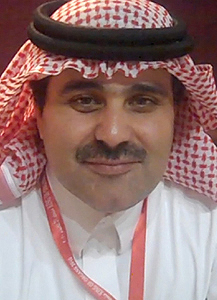
Abdullah Abdulrahman Alabdulgader, M.D., M.R.C.P. (UK), F.R.C.P. (Edin)
Dr. Alabdulgader of Saudi Arabia, a senior congenital cardiologist/electrophysiologist, has obtained multiple board certifications and memberships from prestigious medical schools and universities in record time (1991-1995) and established a major cardiac hospital funded by his Royal Highness Prince Sultan bin Abdulaziz. He established the 1st registry of congenital heart diseases in the middle east which was followed by a nationwide registry and was credited for being the first to described a new congenital anomaly of the heart in 2005. He established a series of international conferences (King of Organs) for advanced cardiac sciences in 2006 which is the first medical conference that explores topics related to the information processing and energetic role of the heart. He is believes that we are at the start of a true revolution in the history of medicine, and his understanding of the broader role of the human heart in ethical, religious and social contexts has drawn major media attention. Dr. Alabdulgader was recently elected as a member of the scientific board of the International committee on Global Geological and Environmental Change (GEOCHANGE).
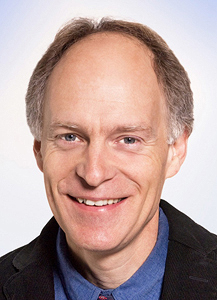
Mike Atkinson
Mike Atkinson of Boulder Creek, California, the HeartMath Institute’s Research Center laboratory manager, is responsible for key development and implementation aspects of the Global Coherence Monitoring System. He has extensive experience gathering, processing and performing statistical analysis of a wide range of psychophysiological data. Atkinson is co-holder of three patents related to physiological coherence monitoring used in organizational, educational and health care settings. Short-term and 24-hour HRV assessments he designed are used internationally by physicians, researchers and health organizations. Atkinson, co-author of several psychological surveys used to assess stress, emotions and organizational effectiveness, has played a key role in many laboratory and field research studies examining the effects of stress and emotions on bodily systems, including heart-brain interactions and cognitive performance. He has co-written many scientific papers published in numerous professional journals.
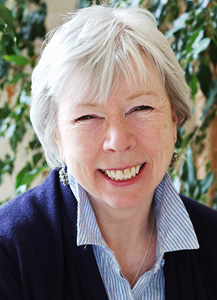
Jude Currivan, Ph.D.
Jude Currivan, Ph.D., is a cosmologist, planetary healer, futurist and author. She was previously one of the most senior business women in the UK, has a Master’s degree in Physics from Oxford University specialising in quantum physics and cosmology, and a Doctorate in Archaeology from the University of Reading researching ancient cosmologies. She has travelled to nearly 80 countries and worked with wisdom keepers from many traditions and her extensive experience and knowledge of world events, systems and trends, has led her to speak on transformational reforms in the UK, US, Europe, Japan, South Korea and Australasia. She is a life-long researcher into the scientific and experiential understanding of the nature of reality, integrating leading edge science, research into consciousness and universal wisdom teachings into a wholistic worldview. She is the author of six books, latterly The Cosmic Hologram and a member of the Evolutionary Leaders circle. In 2017 she co-founded WholeWorld-View (www.wholeworld-view.org) to communicate the emerging paradigm of unified reality to empower conscious evolution.
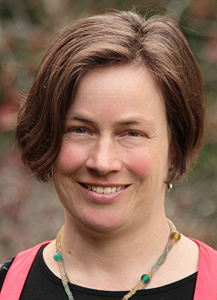
Annette Deyhle, Ph.D.
Annette Deyhle of San Diego, California, is an internationally known geologist and marine geochemist. Deyhle, research coordinator for the HeartMath Institute, has worked at various research centers in Europe and the U.S. She did her doctoral work at the Geomarine Research Center, GEOMAR, in Kiel, Germany. Prior to joining the GCI research team in late 2008, she had been at the Scripps Institution of Oceanography at the University of California, San Diego for five years. Her research there focused on fluid-rock interactions and the chemistry behind earthquakes; plate tectonics; and volcanism. Deyhle's work was the subject of numerous talks and articles in scientific journals, including Geology, Earth and Planetary Science Letters, Chemical Geology and Marine Geology. Deyhle, a member of the American Geophysical Union and the European Geosciences Union, writes science commentaries for the GCI website.
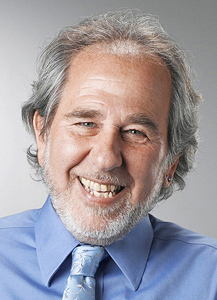
Bruce H. Lipton, Ph.D.
Dr. Lipton of Bonny Doon, California, is the bestselling author of The Biology of Belief and an expert on "bridging science and spirit." Lipton, a cellular biologist and former associate professor at the University of Wisconsin School of Medicine, conducted pioneering research on cloned stem cells. His published research on the human immune system yielded insight into the biochemical pathways that bridge the mind-body duality. Lipton, a guest speaker on TV and radio and presenter at numerous conferences, has taught and lectured on a variety of subjects at many colleges and universities. His writing has appeared extensively in professional journals, including Biochemistry, Journal of Cell Biology and The Anatomical Record. Among other memberships, Lipton sits on the boards of the American Association for the Advancement of Science and the Association for Prenatal and Perinatal Health and Psychology.
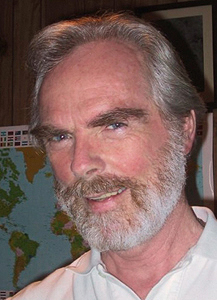
Roger Nelson, Ph.D.
Dr. Nelson of Princeton, New Jersey, is founder and director of the Global Consciousness Project and was the longtime coordinator of research at the Princeton Engineering Anomalies Research (PEAR) laboratory at Princeton University. Nelson's interests span psychology, physics, philosophy and the arts and have led to collaborative efforts in developing technologies to study consciousness and intention. In the early 1990s, he began using random event generator technology in the field to register correlations of data with special states of group consciousness, leading him to found the Global Consciousness Project, which maintains a series of data collection sites worldwide that monitor for indications of a global consciousness response to major world events. Nelson is a member of the Esalen Institute Center for Theory and Research, the Alternative Therapies in Health and Medicine advisory board and the Society for Scientific Exploration Council.
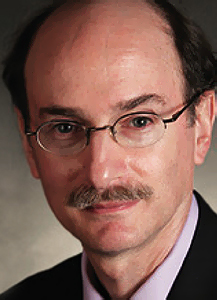
Dean Radin, Ph.D.
Dr. Radin of Petaluma, California, is a fellow and senior scientist at the Institute of Noetic Sciences. An early career as a concert violinist detoured into science. Radin conducted advanced telecommunications R&D at AT&T Bell Laboratories and GTE Laboratories for a decade. For over 20 years he has done consciousness research at Princeton University, University of Edinburgh, University of Nevada and Silicon Valley think tanks, including SRI International, where he investigated psychic phenomena for the U.S. government. Radin has written several books, including the bestselling The Conscious Universe and Entangled Minds, and authored or co-authored over 200 articles that have appeared in many journals. He's done interviews on Oprah, Larry King Live, the BBC and PBS. He has lectured extensively, including at Cambridge and Princeton universities, Virginia Tech, Google and the Defense Department's Defense Advanced Research Projects Agency.
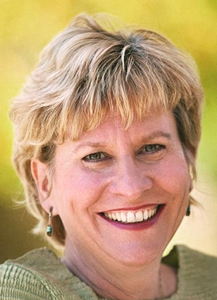
Marilyn Mandala Schlitz, Ph.D.
Dr. Schlitz of Novato, California, is a clinical research scientist, medical anthropologist, author, speaker and thought leader on individual and social change. Schlitz has devoted three decades to clinical and field-based research into human transformation and healing. Her books include Living Deeply: The Art and Science of Transformation in Everyday Life and Consciousness and Healing: Integral Approaches to Mind Body Medicine. She is president for research and education at the Institute of Noetic Sciences, senior scientist at California Pacific Medical Center Research Institute and co-founder/
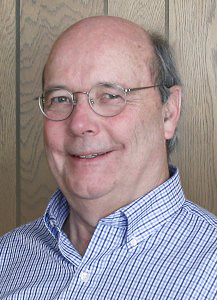
William E. Vosteen
William Vosteen of Lyndonville, New York, joined the Monroe Electronics Inc., research and development department following his education and worked on refining electrostatic measurement techniques and in other areas related to instrumentation. Today Vosteen, who is interested in fields related to consciousness, is president of Monroe Electronics. He has authored or co-authored a number of patents in the electrostatic measurement field. Vosteen has been involved with a number of electrostatic professional societies, including the Electrostatic Society of America, for which he was president.