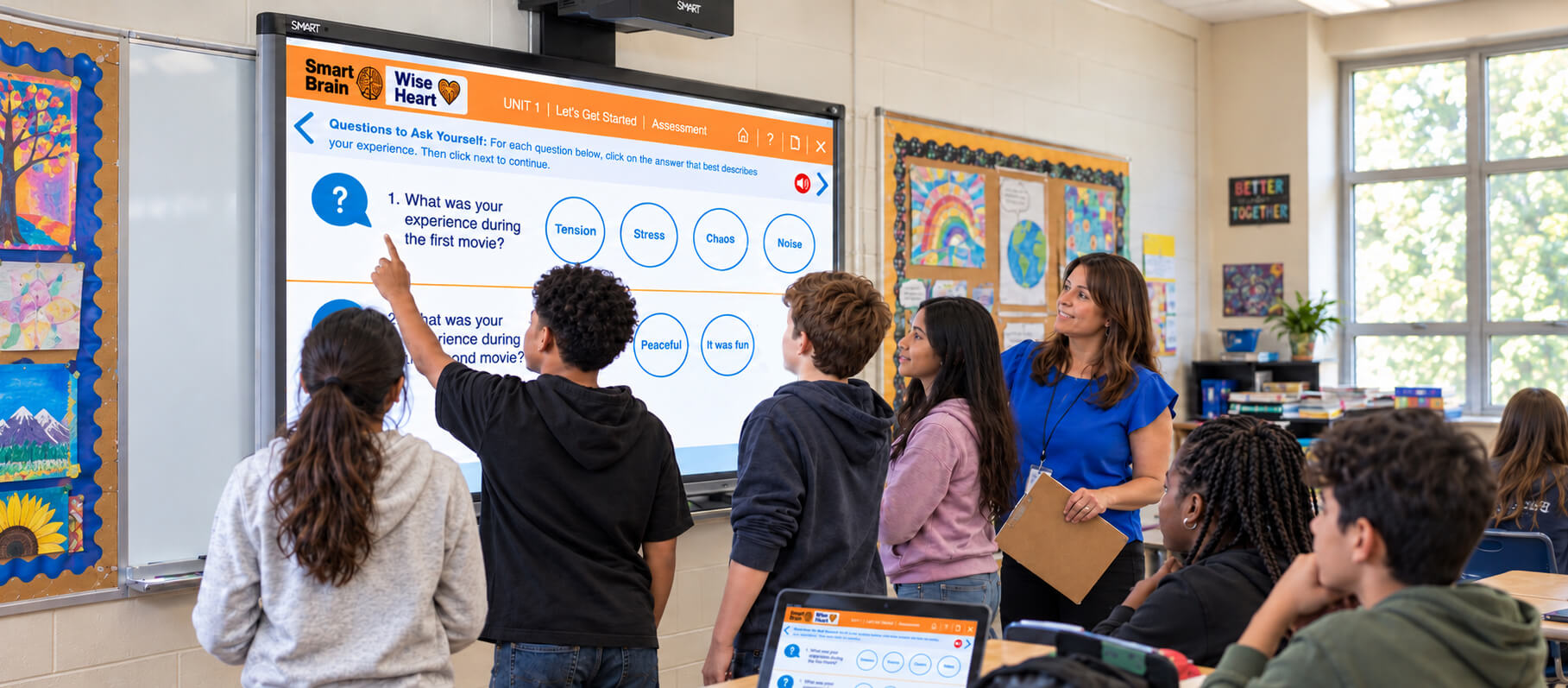
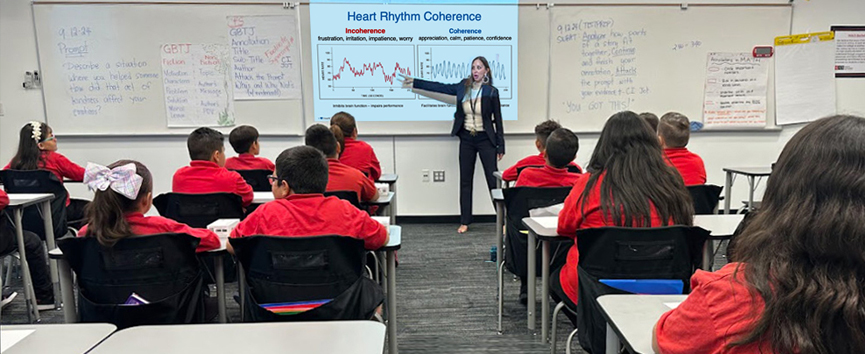
Can Teaching Middle Schoolers Self-Regulation and Heart-Based Biofeedback Reduce School Violence and Suicide Risk? In response to rising mental health struggles and interpersonal violence among young adolescents, federal health officials are turning to an innovative, science-backed approach: neurophysiological emotional regulation. Under a newly awarded grant funded by the Centers for Disease Control and Prevention (CDC), NORC at the University of Chicago is partnering with Ohio’s Pickerington and Upper Arlington school
Whole-Child, Whole-School Success: How SEL and Self-Regulation Helped Transform an Albuquerque Charter In the high-energy hallways of Mission Achievement and Success (MAS) Charter School in Albuquerque, New Mexico, emotional wellness isn’t just an abstract counseling concept—it is the living, breathing pulse of the daily schedule. Serving roughly 1,800 K–12 students from predominantly low-income backgrounds across two campuses, MAS has quietly engineered an extraordinary educational turnaround. By seamlessly weaving comprehensive Social-Emotional
Special Care Focus: It’s Time for More Kindness Welcome to the Special Care Focus: It’s Time for More Kindness Every Wednesday in October, November and December 2026, we invite you to participate in this special care focus. Join us at any time that suits you, or synchronize your participation with others around the world at these three convenient times: 4 a.m., 12:00 p.m. (noon), and 8 p.m. Pacific Time (GMT/UTC
We’ve all had moments when we wished we had taken a pause – to allow ourselves the chance to regain calm and tune into what would be an intelligent response in the next moment. Yet even knowing the value of pausing, we can still allow frustration, rushing, harsh judgments, or other reactions to block our intuition and the need to: Pause before engaging, especially in sensitive situations. Example: Emails we
There's a moment most of us have experienced. You're sitting with a big decision – a relationship, a career shift, a change that's been quietly tugging at you for months. You've read the articles, talked to friends, maybe even typed your question into an AI. The answers come back organized and reasonable. And still, something in you isn't settled.
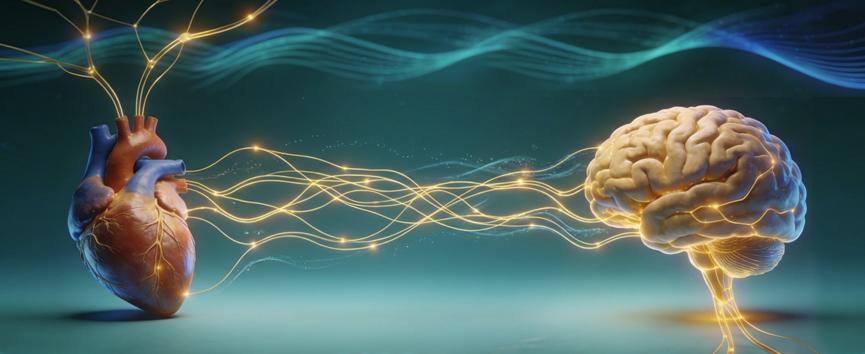
For most of modern history, scientists treated the heart as just a pump. Smart, sure. Essential, absolutely. But a source of intelligence? Of emotion? Of learning? That idea was dismissed — sometimes openly ridiculed — for decades. Meanwhile, many teachers and parents already knew better.
As we watch the news, we can wonder how humanity can recover from the increasing global chaos. People are on edge from fear of government decisions, personal and global economic disruptions, and especially the threat of a larger war. We could list for pages the stressors and fears, but the question is, what can we do to help maintain our personal balance during these unpredictable times.
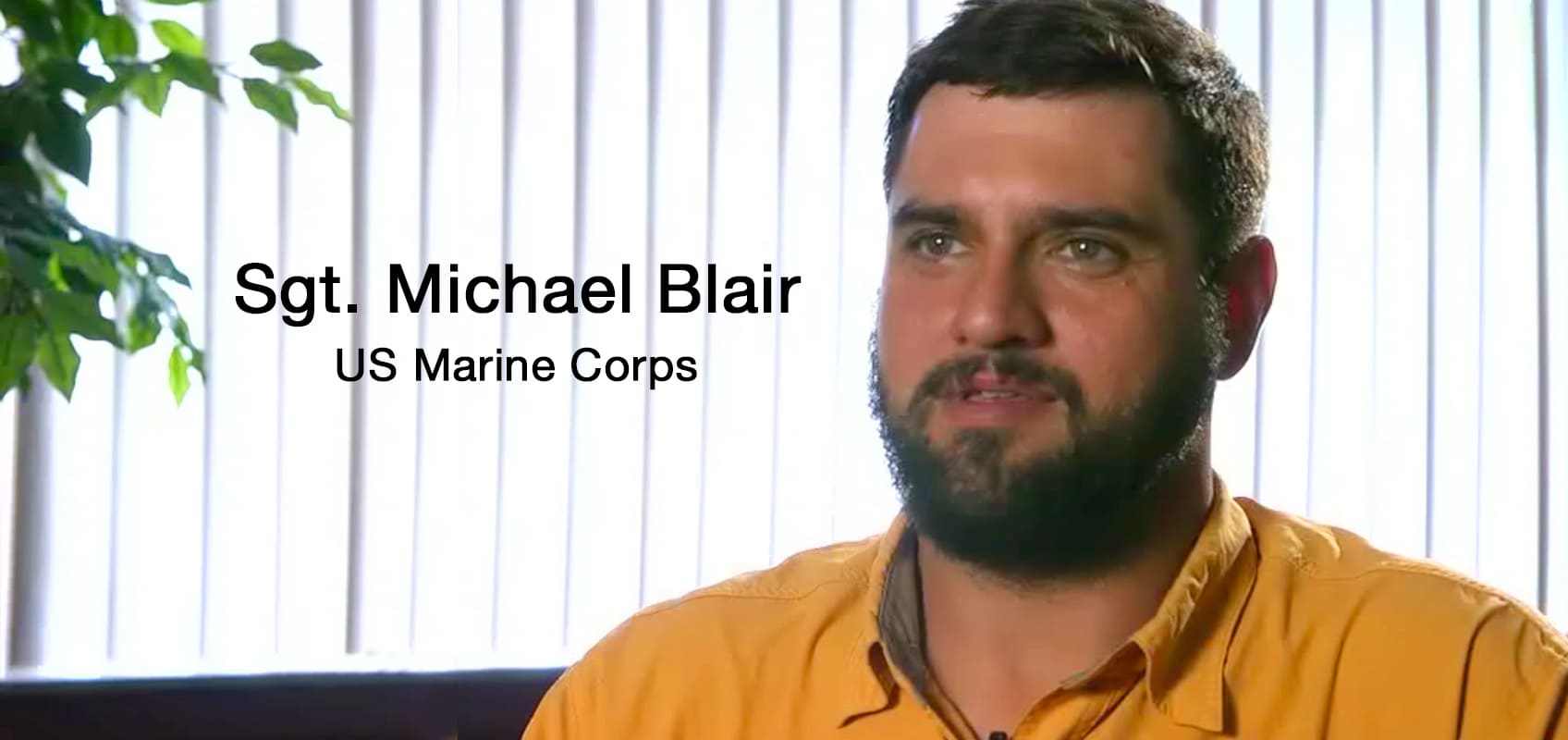
HeartMath helps veterans recover from trauma, manage emotions, and build resilience through proven techniques and inspiring personal stories.
Sometimes healing begins with a pause, a gentle shift in attention, a moment when we choose to reconnect with our deeper heart. Not just the physical organ, but the inner place where love, compassion, and wisdom live. Across cultures, spiritual traditions, and, recently, more than 30 years of scientific research, this deeper heart has been validated as a powerful source of emotional and physical healing.