

Education Programs and Self-Regulation Tools for Students and Educators
In a time when 60% of teachers report frequent job-related stress and burn out and 1 in 6 students face mental health challenges, HeartMath offers proven techniques and technologies to build real-time stress resilience and self-regulation—for everyone in your school community.

Education Programs
HeartMath programs and self-regulation technology teach students to actively regulate their emotions—not just identify them. By addressing student dysregulation at its core, students gain essential skills to thrive academically, emotionally, and socially.

Pre-K Through 12th-Grade
HeartMath offers evidence-based SEL programs for Pre-K through 12th grade using engaging stories, interactive activities, animated videos, and hands-on self-regulation techniques. Students build emotional resilience, sustained focus, impulse control, strategic decision-making, and compassion for others. Research validates significant improvements in academic performance, classroom behavior, peer relationships, and test anxiety—equipping students with lifelong skills for success in school, career, and relationships.

Ages 3-6+
The Sunshine Secret®
Award-winning interactive e-learning program teaches young children to recognize, express, and self-regulate emotions through delightful stories, songs, and activities. Scientifically validated to build emotional foundation, healthy relationships, self-esteem, and essential self-control skills for lifelong success.
Ages 4-7+
HeartSmarts® Adventure
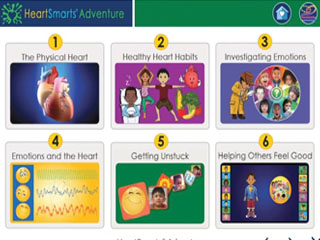
Trauma-informed blended learning program combines teacher-led instruction with self-paced online learning. Children explore how the heart works while learning to manage emotions and express compassion through 60+ engaging activities and three self-regulation techniques that build lifelong emotional skills.

Ages 7-10+
WiseHeart™
Engaging social-emotional learning program uses 3D animated videos, interactive activities, guided drumming, and rap songs to develop self-regulation, communication, decision-making, and compassion skills. Aligned with CASEL competencies, includes pre/post assessments and printed posters. Awarded Best Elementary School Product 2023.
Ages 9-16
Smart Brain Wise Heart
Addresses middle and lower high school challenges with engaging whiteboard animation videos and diverse enrichment activities teaching essential social-emotional competencies. Flexible instruction includes discussion guides, worksheets, illustrated articles, scenario videos, and project-based assignments. Features 24-question pre/post survey to measure student progress.
Ages 6-18+
emWave Pro – Self- Regulation Technology
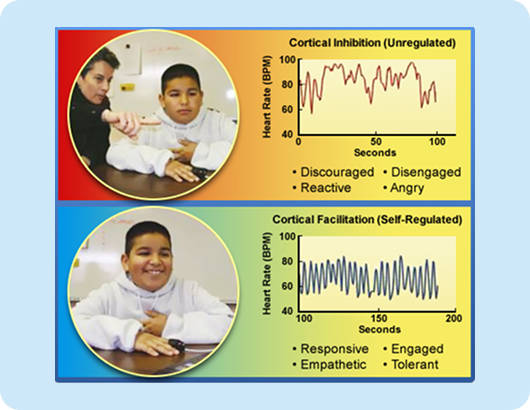
Real-time biofeedback technology teaches students to self-regulate emotions and achieve balanced mental-emotional states. Students experience measurable improvements in focus, attention, emotional resilience, impulse control, anger management, comprehension, problem-solving, and test scores through interactive games and visual feedback.

Self-Regulation Technology (Ages 6 – 18+)
HeartMath’s self-regulation technology helps students quickly learn to regulate emotions, reduce stress, and achieve a balanced state for optimal learning. Using real-time feedback, students develop focus, emotional resilience, and impulse control—leading to improved behavior, test performance, and social connections. Research shows significant improvements in attention, memory recall, test anxiety reduction, and overall academic success.
Ages 6-18+
emWave® Pro for Building Self-Regulation Skills
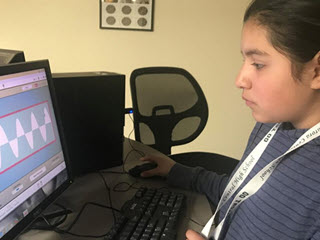
Real-time biofeedback technology teaches students to self-regulate emotions and achieve balanced mental-emotional states, reducing test anxiety, improving focus, memory recall, and behavior while building essential skills for academic and social success
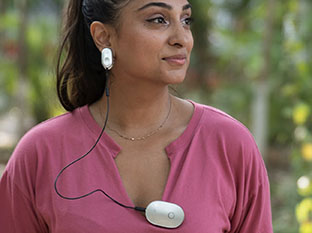
Ages 8-18+
Inner Balance™ Coherence Plus
Portable HRV coherence biofeedback technology helps students reduce test anxiety, improve focus, and self-regulate emotions in real-time. Bluetooth ear sensor provides immediate coherence feedback, teaching students to shift from stress to calm for better learning and performance.

Child Mental and Emotional Health (Ages 3-16+)
HeartMath’s evidence-based interventions help dysregulated children achieve emotional regulation through proven self-regulation techniques and real-time biofeedback technology. Effective for ADHD, anxiety, anger, childhood trauma, impulse control, and social phobia—thousands of children have gained focus, emotional stability, and sustainable behavioral change.

College and University
HeartMath’s evidence-based programs help college students manage overwhelm, test anxiety, and behavioral issues through self-regulation techniques and biofeedback technology. Used at hundreds of colleges worldwide in counseling centers, disability services, athletic departments, and student-retention programs—students develop emotional resilience, focus, impulse control, and stress management skills for academic success and lifelong well-being.

Mental Health Professionals
HeartMath Interventions — Establishing A New Physiological Baseline for Sustained Behavioral Change
The HeartMath Interventions certification program is designed for psychologists, counselors and other licensed professionals to help youth and adults develop greater emotional self-regulation.

College and University
emWave® and Inner Balance™ Self-Regulation Technology
Used by tens of thousands of students around the world, emWave and Inner Balance Trainers, help students quickly gain the self-regulation skills needed for their mental, emotional and physical well-being and academic success.

College and University
College De-Stress Handbook
From years of scientific research into stress, emotions and the physiology of learning, the College De-Stress Handbook is the serious student’s personal roadmap through the maze of stressors and time demands guaranteed to show up on and off campus.

Professional Development
HeartMath training and certification programs are designed for counselors, psychologists, teachers, administrators, professors and consultants. Numerous independent, peer-reviewed studies have validated significant and sustained improvements such as reduced stress, improved employee health, well-being, lower health-care costs, shorter meeting times and increased productivity and resilience.

Professional Development
Coherence Advantage
Train others to connect more deeply with the wisdom and guidance of their heart’s intuitive intelligence — turn challenging days into ones with more ease and flow.

Professional Development
Activating The Heart of Teams
The Activating the Heart of Teams Certification program introduces the knowledge, concepts and skill sets for building team coherence, and is designed for experienced trainers, consultants, coaches or facilitators that currently have, or have had experience working with teams.

Professional Development
Stress and Well-Being Assessment Provider Program
The Stress and Well-Being Assessment Provider Program delivers everything needed to successfully incorporate a powerful assessment tool into your work with individuals and small groups.
Teaching with Heart Teacher & Teen Stories
Meet educators and teens who have experienced the benefits of HeartMath tools, using them to enrich lives, foster compassion, improve decisions, and reduce anxiety.
- Teacher Stories
- Teen Stories
Research Papers and Articles
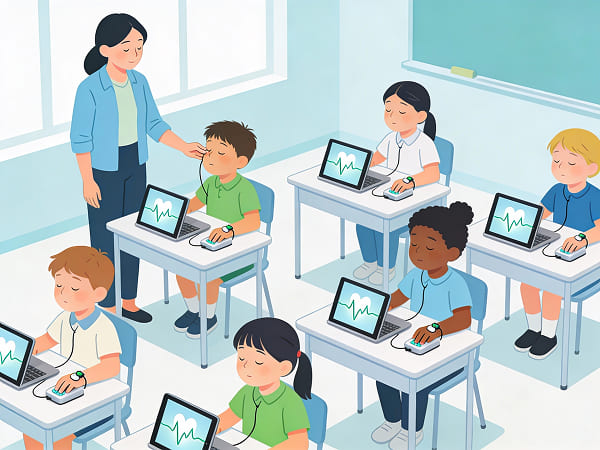
Heart Rate Variability Biofeedback Intervention Program to Improve Attention in Primary Schools
A heart rate variability biofeedback program improved attention in primary school students, especially younger ones, by teaching controlled breathing techniques.
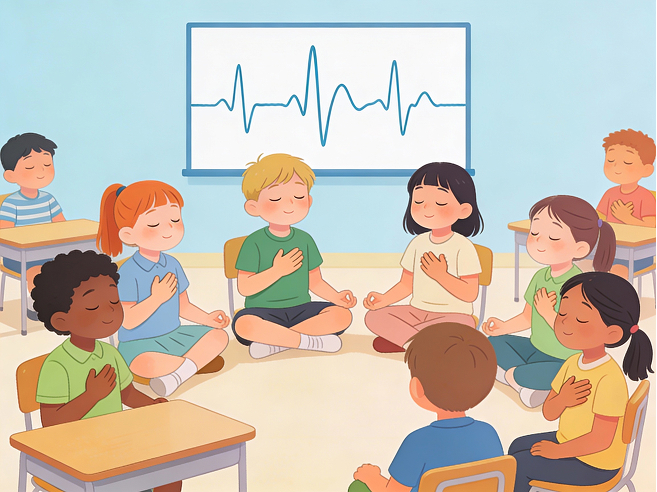
The Effects of HeartMath Heart Lock-In on Elementary Students’ HRV and Self-Reported Emotion Regulation Skills
This study shows a brief daily HeartMath practice in elementary classrooms can increase heart rate variability and improve emotional well-being and focus in students.
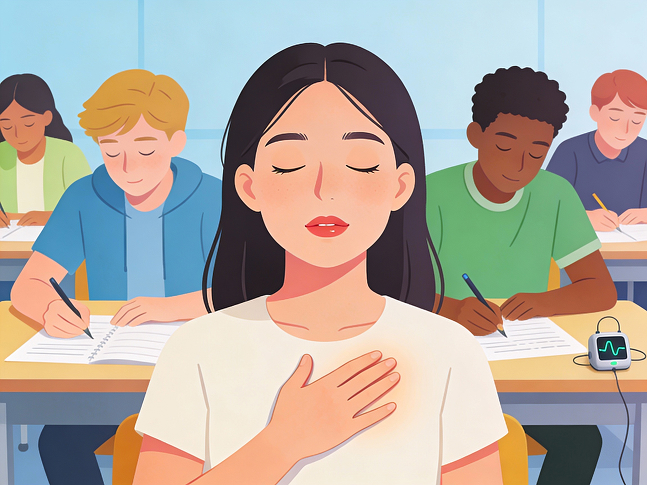
The Effectiveness of Social-Emotional Learning Strategies and Mindful Breathing with Biofeedback on the Reduction of Adolescent Test Anxiety
Social Emotional-Learning intervention in high school psychology course improved test preparedness, reduced anxiety, and boosted academic performance. Study skills and mindful breathing were key components.
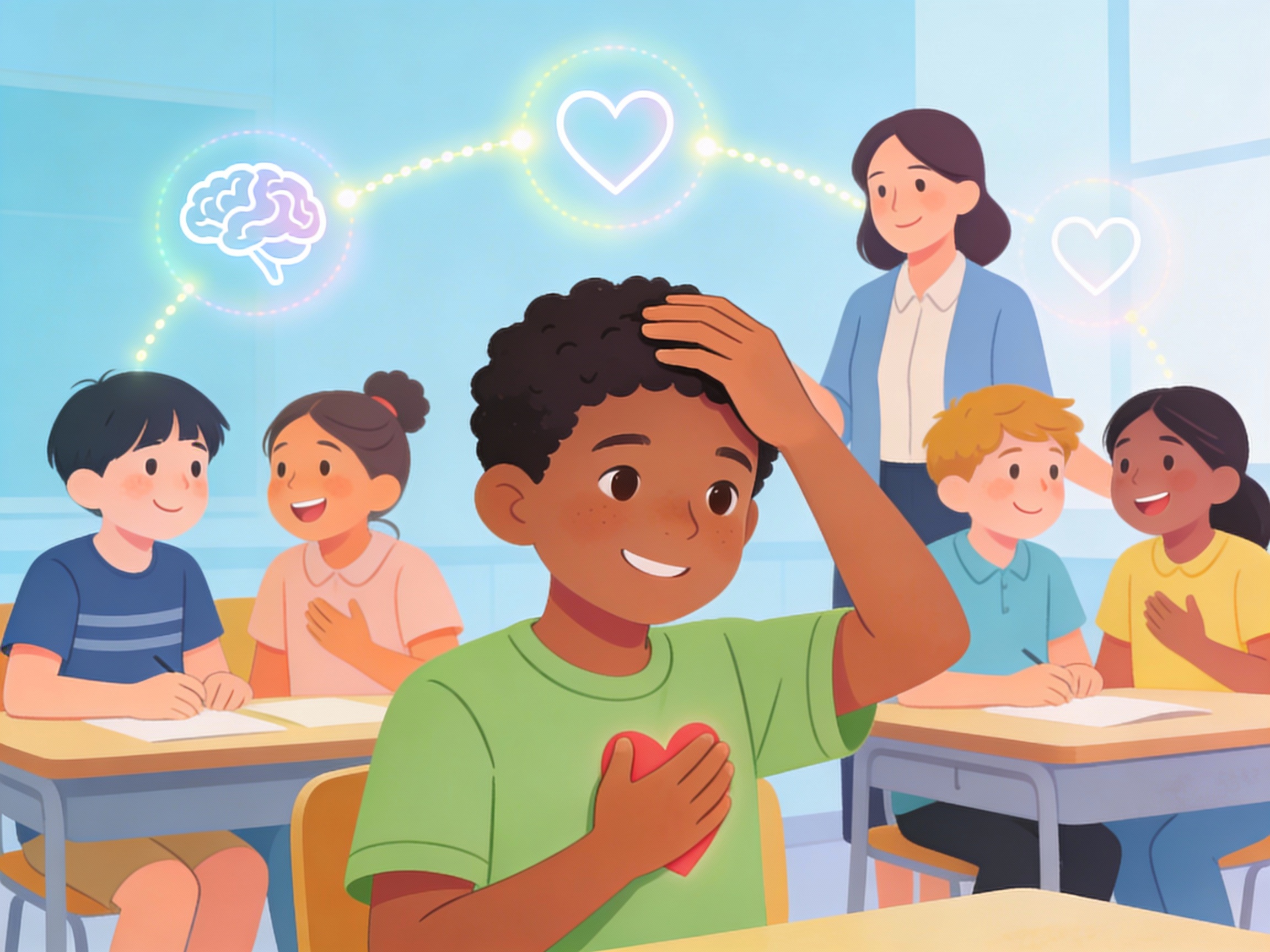
Experimental Evaluation of a Neurophysiological Intervention Designed to Increase Student Resilience: A Pilot Study
A pilot study of Smart Brain Wise Heart Social and Emotional Learning intervention showed promising results for students with lower academic achievement, improving resilience and mental health.
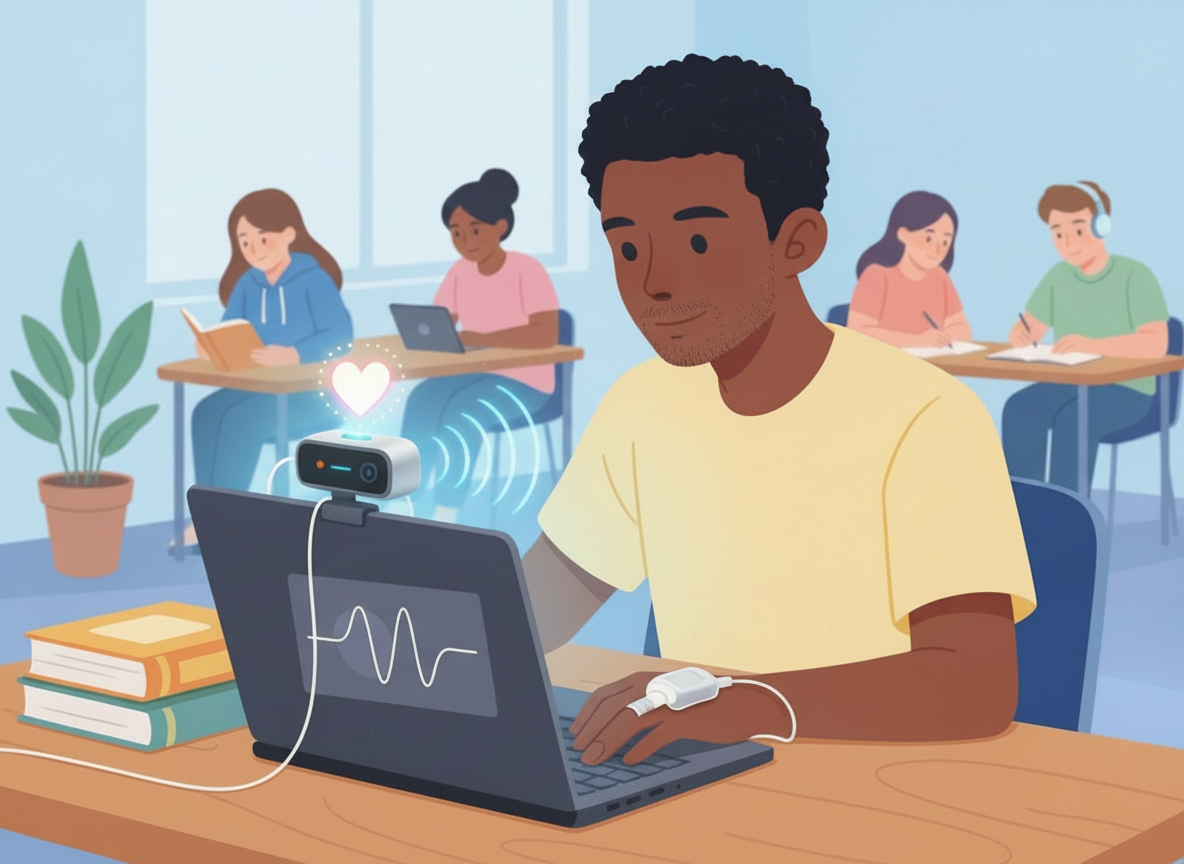
Self-Regulatory Biofeedback Training: An Intervention to Reduce School Burnout and Improve Cardiac Functioning in College Students
HRV Coherence Biofeedback training reduced school burnout and improved math performance in college students, while also enhancing cardiac health.
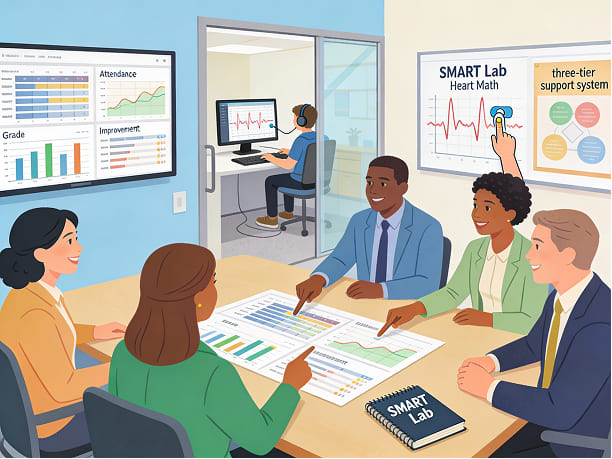
School Counselors and the School Leadership Team
School counselors used leadership team to implement SMART Lab, a K-12 support system. Evidence-based evaluation showed improvements in student behavior, attendance, and grades.
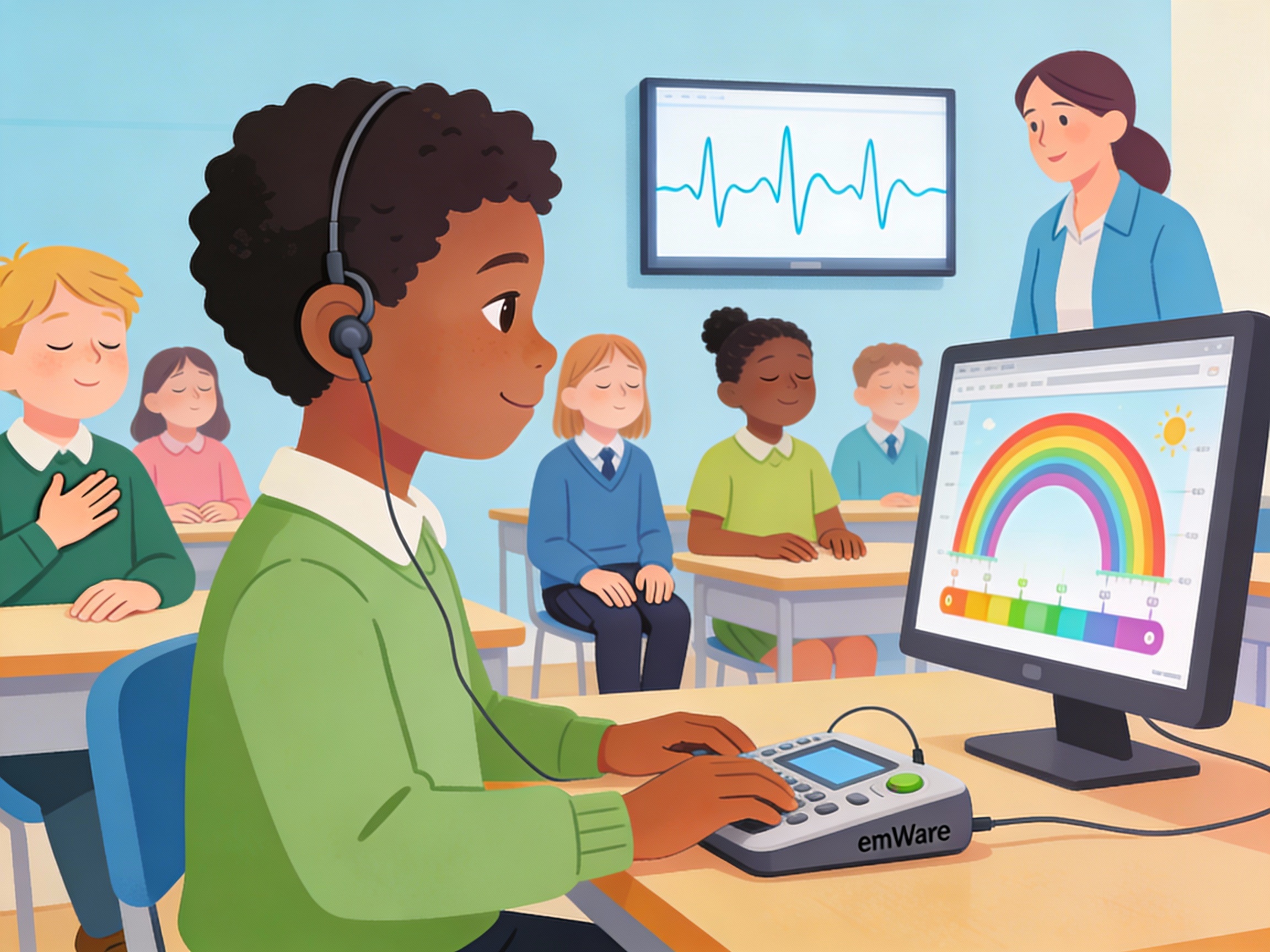
Coherence Training in Children with Attention-Deficit Hyperactivity Disorder: Cognitive Functions and Behavioral Changes
A clinical trial of HeartMath coherence training for 38 UK children with ADHD showed improved cognitive functions and behaviors, suitable for school use
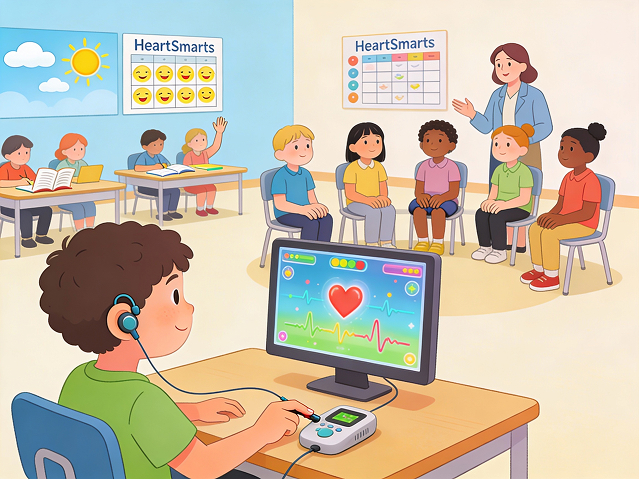
The Effects of a Mindfulness and Biofeedback Program on the On- And Off-Task Behaviors of Students with Emotional Behavioral Disorders
A 12-week mind-body program using mindfulness and biofeedback was tested in special ed classrooms. Results showed decreased off-task behaviors and improved on-task behaviors for ED students.
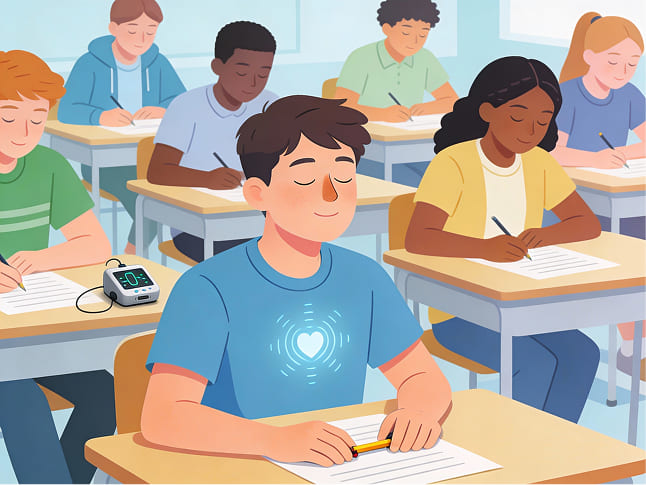
Reducing Test Anxiety and Improving Test Performance in American’s Schools: Summary of Results from the TestEdge® National Demonstration Study
Study of 980 students shows HeartMath tools reduce test anxiety and improve performance. 75% of anxious students improved. Coherence-building methods led to better emotional regulation and test scores.

Essential Tools for Building Emotional Wellness in Families
We understand this can be an especially stressful time to be a parent. Parenting in today’s world can contribute to feelings of anxiety, overwhelm, and depletion. That’s why, with over 30-years’ experience helping people manage stress and improve emotional well-being, HeartMath has designed a program especially for parents.
Learn simple, effective tools with immediate benefits!

Families
HeartMath for Parents
Course is designed for parents, by parents. This program includes practical tools and skill-building activities for you and your family.
Families
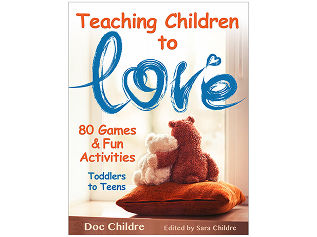
Teaching Children to Love – e-Book
Teaching Children to Love presents new perspectives and building blocks for new levels of intelligence, emotional management, deeper communication and self-security – helping children feel positive and hopeful.
Families
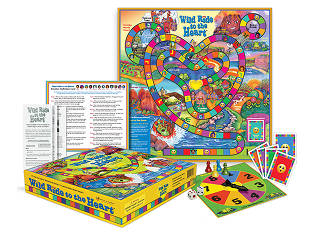
Wild Ride to the Heart Game
Wild Ride teaches children about recognizing, expressing and balancing their emotions. It makes you feel good in your heart.
Families
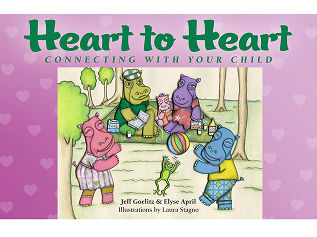
Heart to Heart – Connecting With Your Child Book
This beautifully illustrated color booklet presents powerful ideas simply. Includes the Shift and Shine,™ science-based technique for children.

Pattern
Check Out Smart Hearts
FAQs
Which HeartMath Institute education program is right for my students?
Choose by age first, then by setting and need. The Sunshine Secret serves ages 3–6+, HeartSmarts Adventure ages 4–7+, WiseHeart ages 7–10+ and Smart Brain Wise Heart ages 9–16. For real-time self-regulation practice, emWave Pro (ages 6–18+) or Inner Balance (ages 8–18+) adds HRV biofeedback. School counselors and support staff who want training can consider Active Calm certification. A free one-on-one consultation can help match a program to your students. Setting refers to the environment where the program is used—such as a traditional classroom, a counselor’s office, an after-school program, or at home—which determines whether you need a group curriculum or an individual program license. Need refers to the specific emotional or behavioral goals of your students—such as learning basic emotional recognition, managing test anxiety, or practicing real-time stress regulation through biofeedback.
How do HeartMath Institute education programs compare by age or grade level?
HeartMath Institute programs are organized by age: The Sunshine Secret (ages 3–6+, preschool to early kindergarten), HeartSmarts Adventure (ages 4–7+, pre-K to about grade 2), WiseHeart (ages 7–10+, about grades 2–5) and Smart Brain Wise Heart (ages 9–16, upper elementary through lower high school). Self-regulation technology spans ages 6–18+. Grade ranges are approximate, since the programs are defined by age and schools place students differently.
What does a school need to implement a HeartMath Institute education program?
A school needs a program license sized to its users, an adult facilitator, and devices with internet access. The e-learning programs run through the HeartMath Institute eLearning Center, where educators register, enter a License ID and enroll students. Blended programs include a Leader’s Guide or Leader’s Kit for teacher-led lessons. Biofeedback adds an emWave Pro sensor on a Mac or Windows computer or an Inner Balance sensor on a mobile device. Most schools begin with one classroom before expanding. Most schools begin with a single classroom pilot before expanding campus-wide.
Do HeartMath Institute education programs align with CASEL SEL competencies?
Some do, and alignment is stated program by program. WiseHeart is described as inspired by and aligned with CASEL’s five core SEL competencies: self-awareness, self-management, social awareness, relationship skills and responsible decision-making. Other programs teach related skills, such as emotion recognition, self-regulation, relationships and decision-making, but their pages do not publish a formal CASEL crosswalk. Schools that need a documented mapping for a specific program can request one from HeartMath Institute.
How long are HeartMath Institute education lessons or sessions?
Lessons are flexible rather than fixed-length. The e-learning programs are self-paced and organized by units: four Sunshine Secret chapters, six HeartSmarts Adventures, five WiseHeart units and eight Smart Brain Wise Heart units. Educators can teach a single activity or a full unit in one sitting. Core self-regulation practices are short: a published classroom study used a teacher-led 5-minute Heart Lock-In practice each day, and Active Calm tools are designed for five-minute check-ins.
What evidence supports HeartMath Institute education programs?
The evidence includes program-specific and broader studies. The TestEdge demonstration study of 980 students found that 75% of test-anxious students in the intervention school had less test anxiety by the end of the study. A randomized trial with 38 children with ADHD found improved memory and behavior. A 2023 pilot of Smart Brain Wise Heart showed benefits for students with lower academic achievement. Designs vary, and not every program has been tested on its own. A 2025 study demonstrated that HRV biofeedback successfully decreased anger episodes in autistic adolescents. A 6-week classroom study used the Heart Lock-In technique to greatly lessen perfectionism. A large study with over 330 students showed how a heart-focused breathing program significantly improved attentional capacity in primary students.
What is the difference between HeartMath Institute SEL programs and self-regulation technology?
SEL programs teach the skills; self-regulation technology lets students practice them and see the results. Programs such as WiseHeart and Smart Brain Wise Heart use lessons, videos and activities to build emotional awareness, self-regulation, relationships and decision-making. HRV biofeedback tools such as emWave Pro and Inner Balance show a student’s heart rhythm in real time as they practice. The two work well together, and Active Calm includes both an emWave Pro and a classroom program.
Check Out Smart Hearts
A Quarterly Newsletter for Educators and Parents