

Can Teaching Middle Schoolers Self-Regulation and Heart-Based Biofeedback Reduce School Violence and Suicide Risk?
In response to rising mental health struggles and interpersonal violence among young adolescents, federal health officials are turning to an innovative, science-backed approach: neurophysiological emotional regulation.
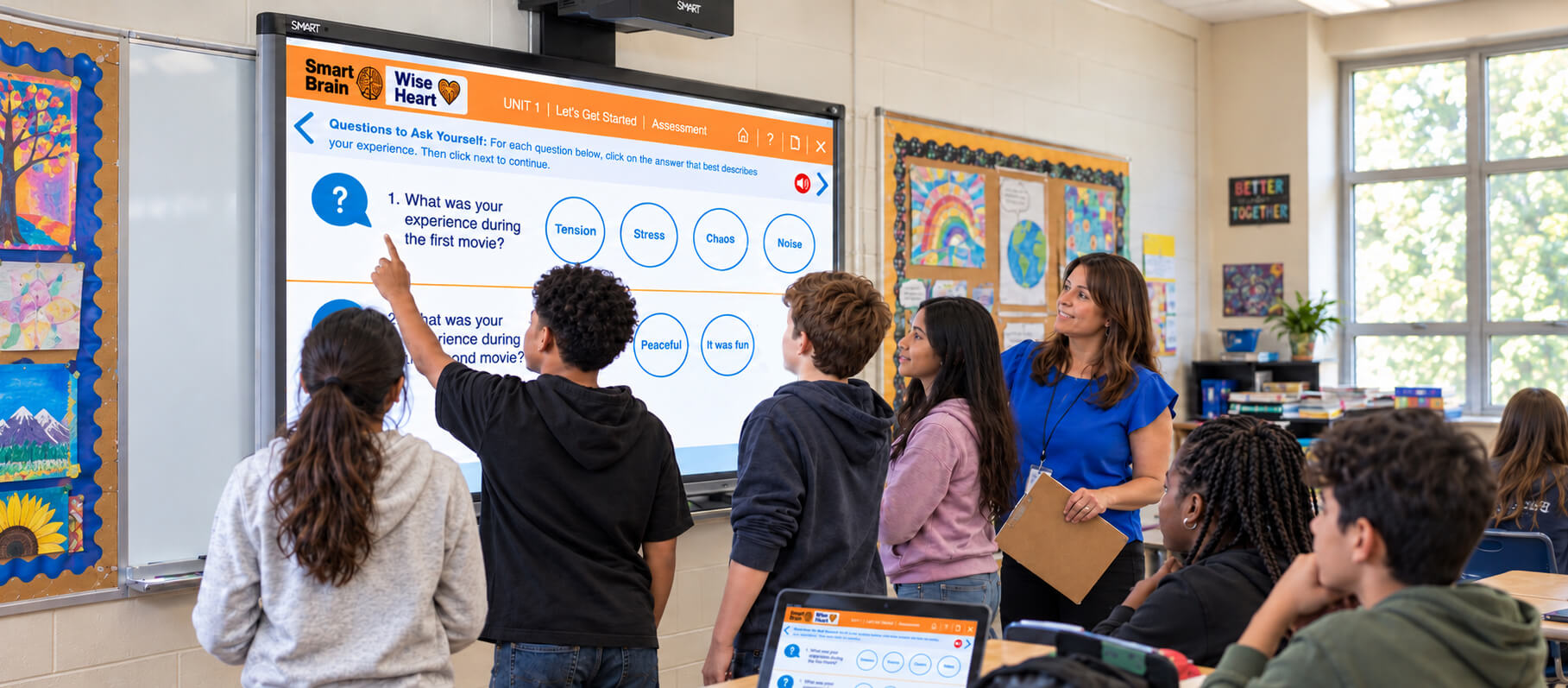
Under a newly awarded grant funded by the Centers for Disease Control and Prevention (CDC), NORC at the University of Chicago is partnering with Ohio’s Pickerington and Upper Arlington school districts to launch a landmark three-year study. The trial will rigorously evaluate HeartMath’s Smart Brain Wise Heart ™ (SBWH) program—a classroom-based intervention that helps middle schoolers regulate their stress and emotions combined with real-time heart rate variability (HRV) biofeedback technology.
Addressing the Shared Root of Youth Violence and Mental Health
Early adolescence is a critical developmental window where anxiety, depression, and peer violence often intersect. Rather than treating these issues in isolation, the SBWH program targets a common root cause: emotional and physiological dysregulation under stress.
Using Inner Balance ™ Coherence Plus and the emWave® Pro Plus, 7th and 8th graders will learn to observe their own heart rhythms and practice practical techniques to achieve “coherence”—a physiological state linked to reduced stress, improved focus, and better emotional control.
Rigorous 72-Classroom Randomized Control Trial
The study will follow approximately 2,100 students across 72 classrooms in four suburban middle schools through 2029. Delivered by licensed school counselors and supervised counseling interns during standard study halls, half the classrooms will receive the 8-session SBWH curriculum while the other half serve as a control group.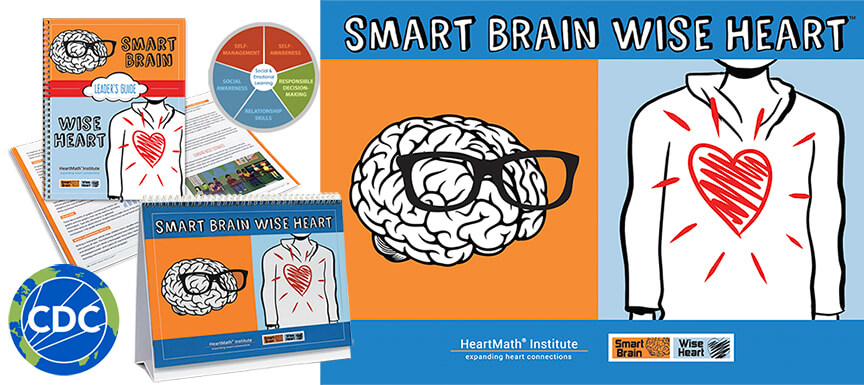
The research team will track outcomes across four primary areas:
- Violence & Bullying: Assessing changes in peer violence, adolescent dating abuse, cyberbullying, and perpetration/victimization rates.
- Suicidality & Mental Health: Tracking internalizing symptoms, anxiety, perceived stress, and depression indicators.
- Academic & Disciplinary Impact: Examining school administrative records for shifts in attendance, disciplinary referrals, and standardized test performance.
- Subgroup Insights: Evaluating how the program benefits higher-risk youth, including students with Individualized Education Plans (IEPs), academic challenges, or elevated baseline stress.
A Scalable Model for U.S. Schools
By combining quantitative student surveys, secure biofeedback tracking, academic records, and qualitative student focus groups, the partnership aims to deliver actionable,gold-standard evidence for policymakers and educators nationwide.
If proven effective, this researcher-practitioner collaboration will offer a scalable, cost-effective framework to help U.S. schools proactively foster youth well-being and cultivate safer classroom environments.